
 English


In PCB wet processing, a nozzle is not just a small spare part on the spray header. It directly affects chemical coverage, rinsing efficiency, etching precision, solder mask uniformity, and overall process stability. When the spray pattern is uneven or the nozzle material is not compatible with the liquid, production teams may face circuit defects, chemical waste, unstable cleaning results, or frequent downtime.
For B2B buyers, nozzle selection for PCB wet processing should start from the process requirement. Development, etching, electroplating, rinsing, solder mask application, and flux-related processes all use different liquids and spray conditions. A suitable PCB nozzle must match the spray pattern, material, flow rate, pressure range, installation space, and maintenance plan of the production line.
Why Nozzle Selection Matters in PCB Wet Processing
PCB manufacturing relies on controlled fluid contact. Chemical solutions, pure water, and flux must reach the board surface evenly. If the nozzle cannot maintain consistent distribution, some areas may receive too much liquid while others receive too little. This can affect fine-line etching, copper thickness control, surface cleaning, and coating consistency.
Nozzles and flow meters often work together in PCB wet process equipment. The nozzle controls the shape, angle, impact, and distribution of the spray. The flow meter helps operators monitor whether liquid delivery stays within the required range. If flow control is unstable, spray performance will also become unstable. This is why nozzle selection should be reviewed together with pump output, pipe layout, pressure setting, and flow monitoring.
How to Choose the Right Spray Pattern for PCB Nozzles
Spray pattern is one of the first factors to confirm. In PCB wet processing, the best spray pattern depends on whether the process needs broad surface coverage, concentrated impact, fine atomization, or direct liquid delivery. A wrong spray pattern can reduce process efficiency even if the nozzle material and size are correct.
| PCB wet process area | Common spray requirement | Suitable nozzle direction | Selection focus |
|---|---|---|---|
| Development and etching | Uniform chemical contact and precise surface reaction | Conical or full cone spray, depending on line design | Coverage uniformity, pressure stability, and fine-line protection |
| Rinsing and cleaning | Wide and even washing without damaging delicate circuits | Wide-angle fan or sector spray | Water distribution, cleaning efficiency, and water saving |
| Solder mask and coating-related areas | Controlled application and stable surface coverage | Fine atomizing or controlled spray pattern | Droplet consistency, coating uniformity, and defect reduction |
| High-impact cleaning or special process points | Stronger spray force or targeted delivery | Fan, cone, or straight-stream pattern | Impact force, wear resistance, and maintenance access |
For example, J-range nozzles are positioned for medium-flow precision and cleaning or rinsing applications, with listed pressure tolerance of 30-250 PSI and flow rates of 1-50 GPM. G-range nozzles focus on hollow cone spray performance, fine coverage, cooling, coating, and gas scrubbing. U-range nozzles are designed for higher-pressure applications, with listed flow rates of 5-150 GPM and pressure range of 100-1000+ PSI.
How Material Affects PCB Nozzle Performance
Material selection is critical because PCB wet process lines may use acidic chemicals, alkaline solutions, pure water, flux, and recirculation liquids. A nozzle that performs well in water may not be suitable for a corrosive chemical environment. Buyers should confirm liquid type, concentration, temperature, pressure, and expected service life before selecting the material.
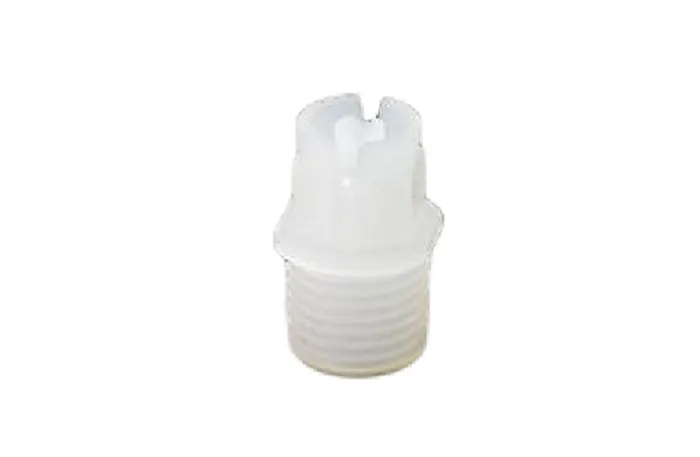
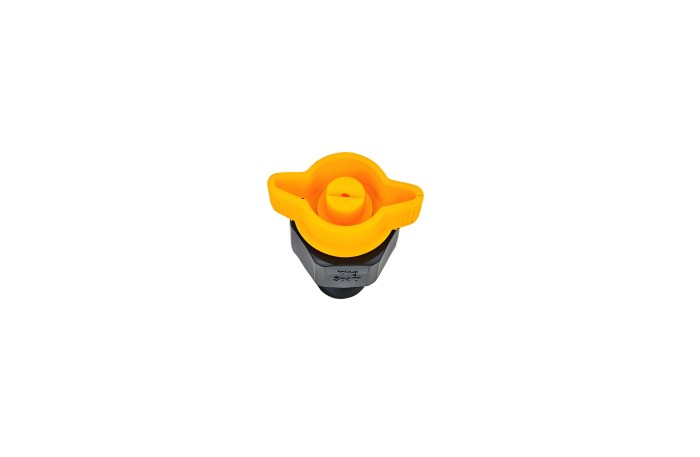
PP and PVDF nozzles are common options for chemical-related wet processes because they are often selected where corrosion resistance and cost control are important. Kingspray's PCB-related product recommendations include PP/PVDF and Plastic/PVDF nozzle options such as G-A567 PP/PVDF Nozzle, U-567 PP/PVDF Nozzle, and J-559X Plastic/PVDF Nozzle. These product directions are relevant for buyers looking for PCB spare part manufacturing support around wet process fluid control.
Metal, ceramic, or tungsten carbide materials may be considered when pressure, abrasion, temperature, or impact requirements become more demanding. However, stronger material does not automatically mean better selection. A nozzle should be matched to the liquid and process, not chosen only by perceived durability.
How Flow Uniformity Depends on Nozzle Design
Flow uniformity is influenced by nozzle geometry, internal flow channel, pressure stability, spray angle, installation distance, and the spacing between nozzles. Even when each nozzle is correctly manufactured, poor header layout or unstable pressure can still create uneven distribution across the PCB panel.
One-piece nozzle designs can support more stable internal flow because they reduce connection points and potential leakage areas. A smoother internal flow channel can reduce pressure loss and turbulence, helping the spray pattern remain more predictable. This matters in PCB wet processing because unstable spray coverage may directly affect etching quality, rinsing completeness, or coating distribution.
Anti-clogging performance is also important. Chemical residues, particles, crystallization, or filter issues can change the effective opening of the nozzle. Once clogging occurs, the spray pattern may shift from uniform coverage to uneven streaks, weak zones, or excessive local impact. Buyers should consider filtration, cleaning access, replacement frequency, and nozzle structure before final selection.
What Buyers Should Specify Before Ordering PCB Nozzles
When asking for nozzle manufacturing or customised nozzles, buyers should provide more than a product name. A useful inquiry should describe the process environment and the performance target. This helps the supplier recommend a suitable nozzle series, material, spray pattern, and installation structure.
Process stage: Specify whether the nozzle is used for development, etching, electroplating, rinsing, solder mask, flux, cleaning, or another wet process step.
Liquid condition: Provide liquid name, concentration, temperature, and whether the liquid contains particles or impurities.
Operating data: Share pressure, flow rate, pipe size, nozzle spacing, spray distance, and required spray angle.
Material preference: Confirm whether PP, PVDF, stainless steel, ceramic, or another material is required.
Installation details: Provide thread size, interface type, header layout, and available maintenance space.
For replacement projects, photos of the current nozzle, spray header, thread, and installation position can reduce selection errors. For new wet process equipment, buyers should review nozzles together with pumps, flow meters, valves, and filters. This avoids a common problem: the nozzle matches the drawing but does not perform well under actual line conditions.
Common Mistakes in PCB Nozzle Selection
One common mistake is choosing the nozzle only by material. Material compatibility is important, but it does not replace spray pattern selection. A chemically resistant nozzle with the wrong spray angle may still create poor coverage.
Another mistake is ignoring flow and pressure. Each nozzle has its own applicable flow rate and pressure range. If pressure is too low, atomization and impact may be weak. If pressure is too high, the process may create excessive mist, liquid waste, or unnecessary stress on the board surface.
Buyers may also overlook maintenance. In PCB wet processing, easy inspection and replacement can be as important as initial spray performance. A nozzle that is difficult to access may increase downtime when clogging, wear, or process adjustment occurs.
Conclusion
Effective nozzle selection for PCB wet processing requires a balanced review of spray pattern, material compatibility, flow rate, pressure range, installation layout, and maintenance access.
Selecting PCB Nozzles for Stable Wet Process Performance
Share your PCB process stage, liquid type, pressure, flow rate, and spray layout with Kingspray to match the right nozzle series and material for stable spray coverage.Contact us to get more detail informations.
(2)H.webp "A-554 PP/PVDF Nozzle")