English


Flow Meters and Nozzles for Automotive Painting
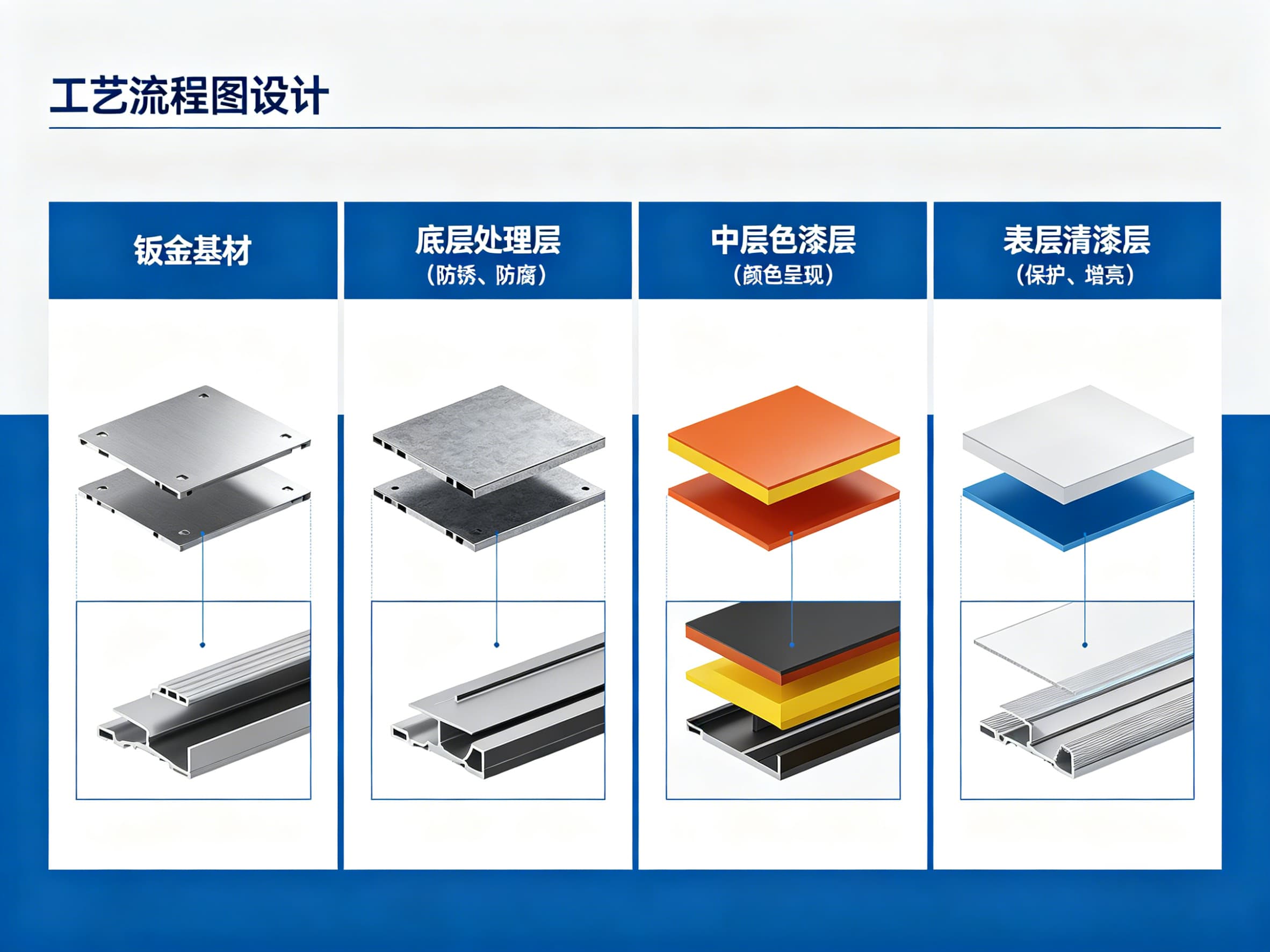
The four fundamental components of sheet metal painting include the sheet metal substrate, base treatment layer, intermediate paint layer, and topcoat varnish layer, which collectively ensure the durability and aesthetic appeal of sheet metal parts. These constitute key selection criteria for automotive painting, with recommendations provided across four core dimensions: material quality, manufacturing process, color compatibility, and durability.
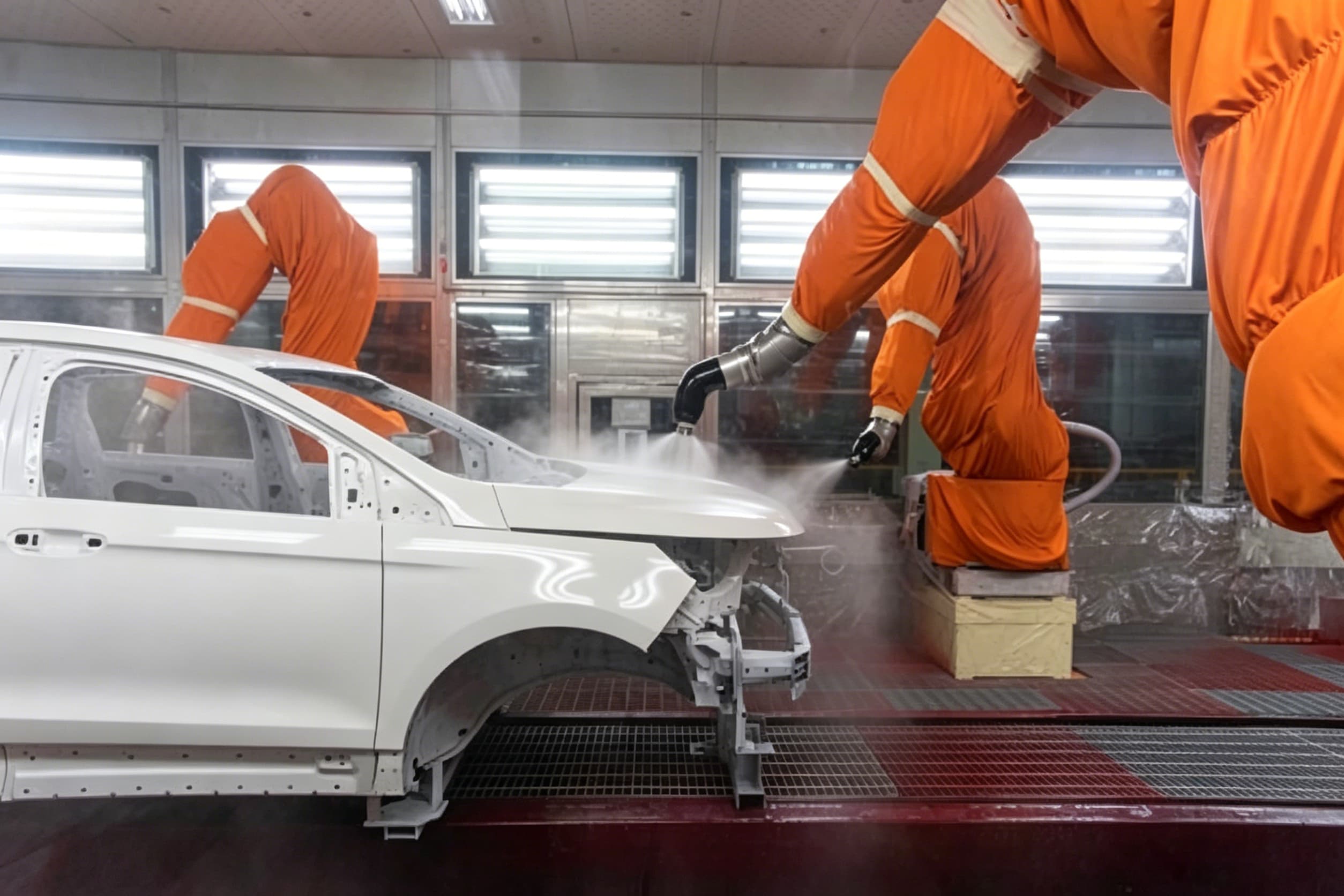
As the primary function and practical application scenario for nozzles in the coating industry, they are mainly used for paint atomization spraying, surface cleaning, and pre-treatment assistance, and are widely employed in various coating applications such as automotive, furniture, and hardware manufacturing.
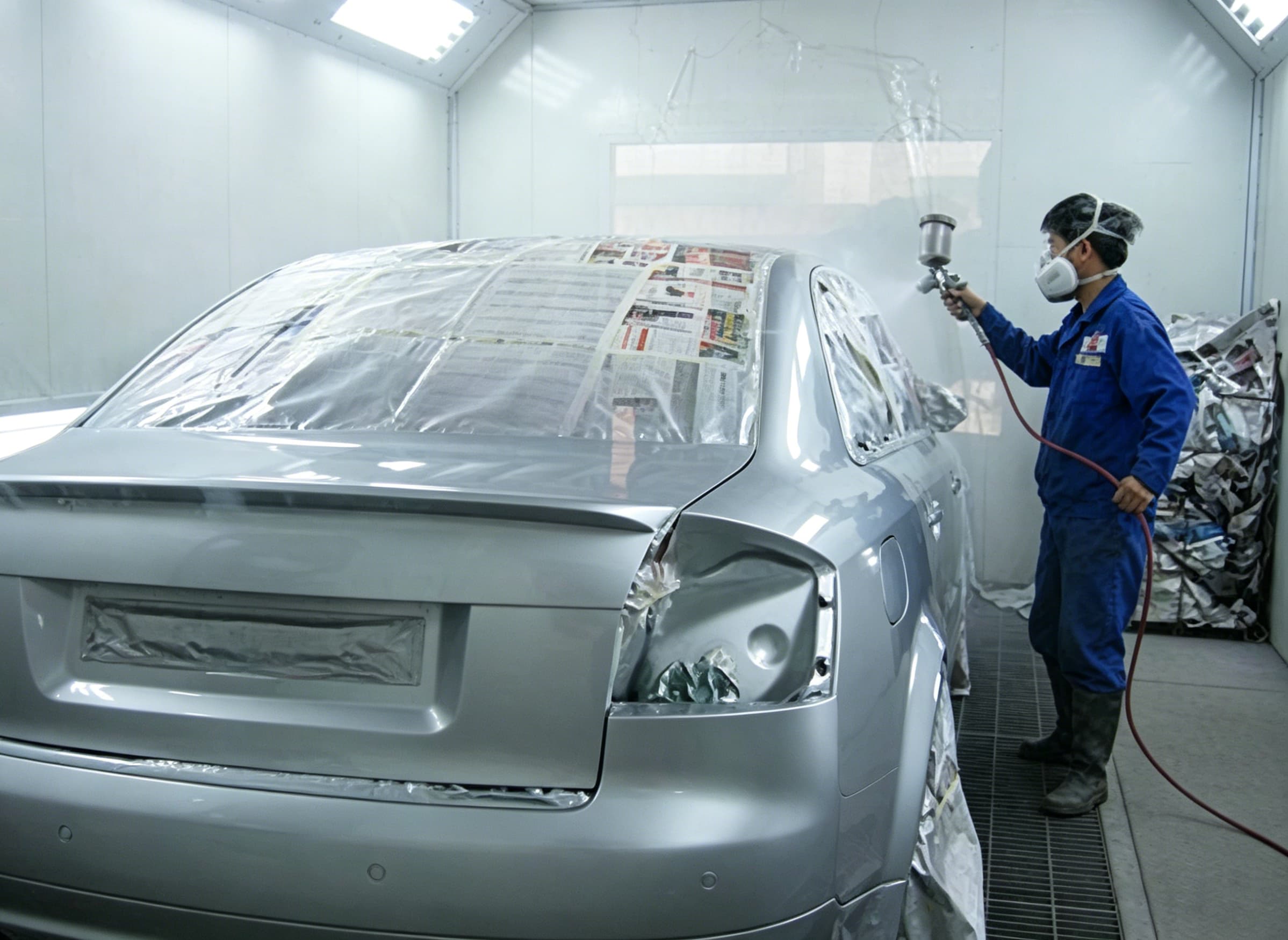
1. What are the basic components of sheet metal painting?
Sheet metal painting is a critical process for protecting and enhancing the appearance of metal components, primarily consisting of four core elements. The first layer is the sheet metal substrate, typically made of iron sheets or steel plates, which serves as the foundational carrier for paint application. The second layer involves base treatment processes including rust removal, surface grinding, atomic ash leveling, and primer spraying to prevent corrosion, fill imperfections, and improve adhesion.
The third layer is the color paint coating that determines the product's final appearance and texture, masking base colors while enhancing visual appeal. The final layer is the clear varnish coating, which provides dust resistance, scratch protection, oxidation resistance, and a glossy finish. Through coordinated layering, sheet metal components achieve a balance between structural durability and aesthetic functionality.
2. When selecting a car paint, what key factors should you consider regarding material quality, application techniques, color options, and durability?
When selecting automotive paint, four critical factors demand attention: material quality, application techniques, color matching, and durability. Material-wise, prioritize high-grade paint components as resin and pigment quality determine the paint's fundamental performance – inferior coatings must be strictly avoided. For application processes, ensure complete workflow including substrate preparation, rust-proof primer, color paint spraying, and varnish finishing.
The number of application layers and temperature-controlled curing procedures directly impact surface smoothness. Color selection should align with the vehicle's original tone, with precise color matching to prevent color variations while maintaining visual harmony. Durability proves paramount: premium paint must exhibit UV resistance, oxidation protection, corrosion resistance, and scratch resistance, providing long-term protection against sun exposure and weathering without fading, cracking, or peeling – achieving both aesthetic appeal and lasting protective efficacy.

3. What are the primary applications and practical scenarios of nozzles in the coating industry?
The nozzle is an indispensable core component in the coating industry, primarily designed to precisely and uniformly atomize and spray coatings onto workpiece surfaces, ensuring optimal coating performance, enhancing efficiency, and minimizing coating waste. Its applications are mainly categorized into three types: atomization spraying, surface cleaning, and pretreatment assistance, catering to the requirements of various coating scenarios.
The application scenarios are extensive. In automotive painting, it is used for primer, color paint, and topcoat spraying on vehicle bodies and components, enabling precise control of paint layer thickness and uniformity while preventing sagging and color variations. For furniture coating, it adapts to spray painting processes for wooden and metal furniture, balancing aesthetics with protection.
Additionally, in hardware products, appliance casings, and construction machinery painting, the nozzle facilitates spraying operations on various metal and plastic components. During pre-treatment stages, the nozzle can spray degreasing agents and rust removers to assist in workpiece cleaning. Post-spray, it aids in surface drying and curing, comprehensively enhancing the efficiency and quality of the painting process.