English


Flow Meter & Nozzle in CCL
1. What is CCL?
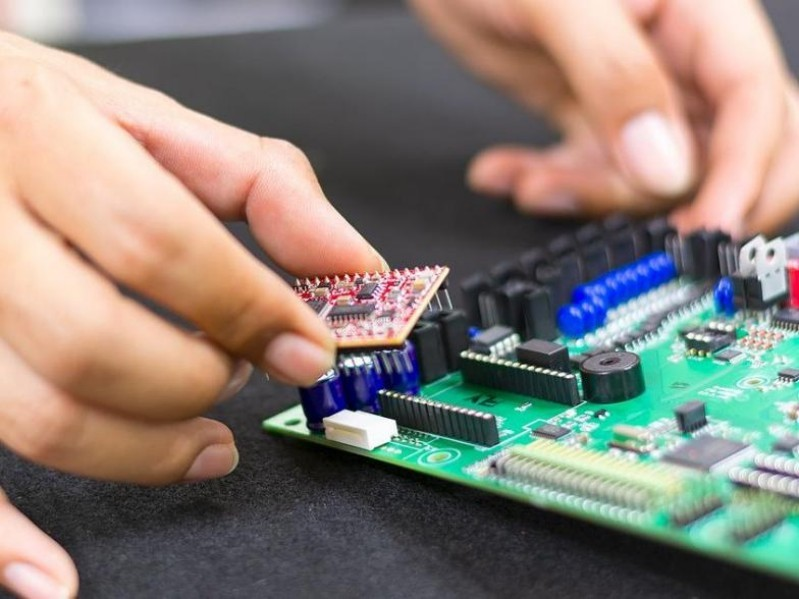
CCL, or Copper Clad Laminate, serves as the core substrate for PCBs (Printed Circuit Boards). It is manufactured by impregnating glass fiber cloth or similar reinforcement materials with resin, then covering them with copper foil and subjecting the assembly to high-temperature and high-pressure hot pressing. As a critical foundational material in the electronics industry, CCL supports advancements in communications, consumer electronics, and semiconductor sectors. Its performance directly determines the insulation, conductivity, and thermal resistance characteristics of circuit boards.
2. Differences between CCL and PCB? Association with the AI industry
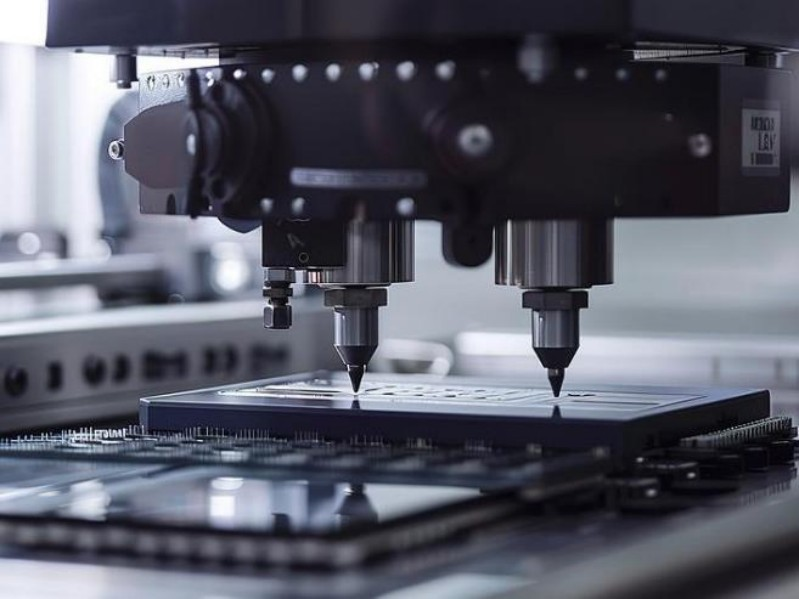
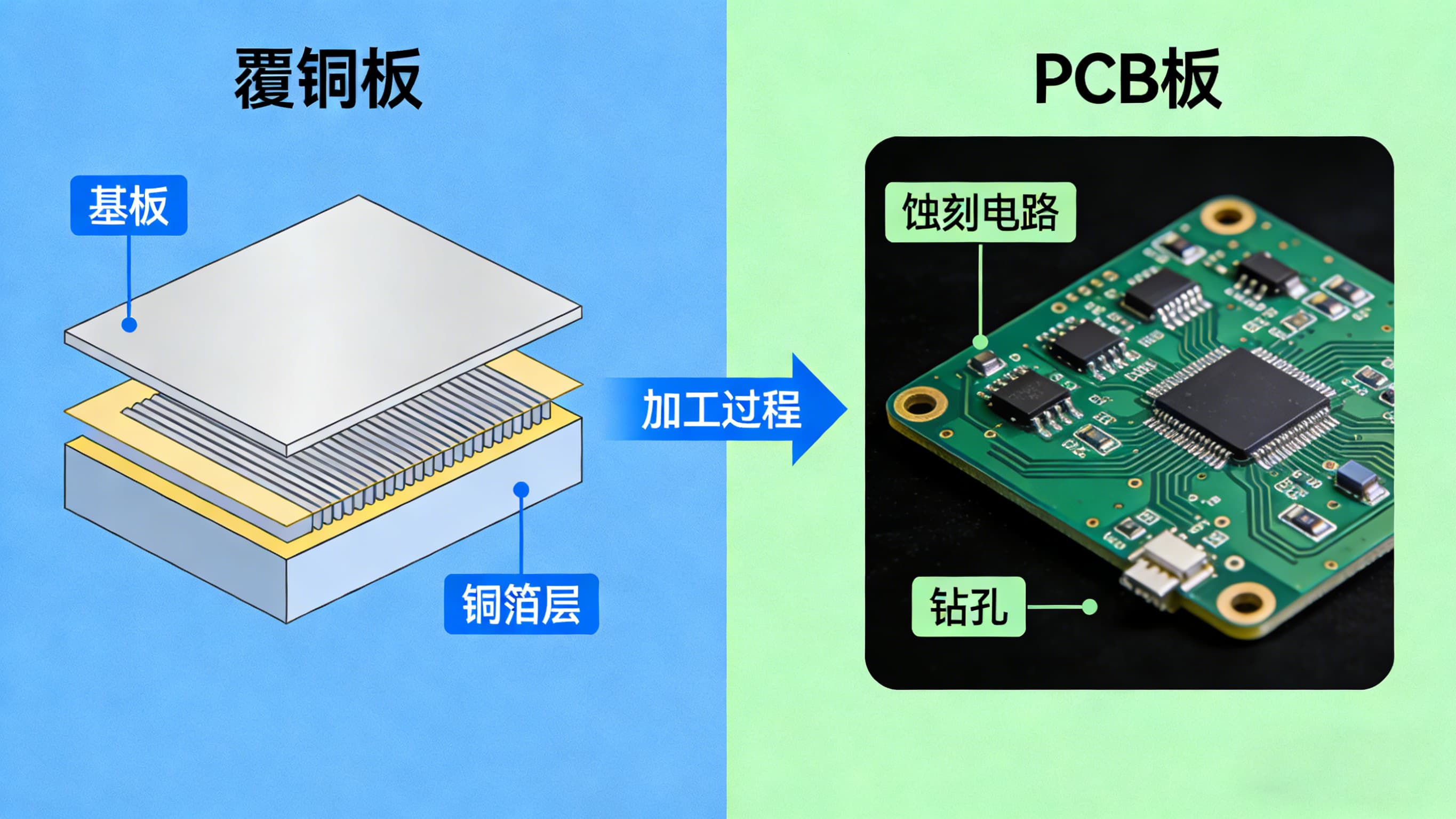
CCL (Copper Clad Laminate) serves as the core substrate for PCBs, which are printed circuit boards manufactured through etching and drilling processes using CCL. The relationship between these two components reflects that CCL acts as the raw material while PCBs are the finished products. CCL determines the fundamental performance characteristics of PCBs, driving a surge in demand for high-speed, high-frequency, and heat-resistant CCL materials in high-end AI servers. Premium CCL supports mass production of high-performance PCBs, ensures efficient data transmission and thermal management for AI chips, and constitutes an indispensable critical link in the AI hardware supply chain.
3. In-depth understanding of the copper foil industry
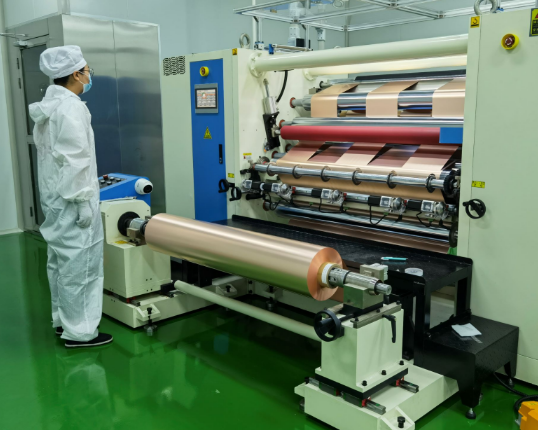
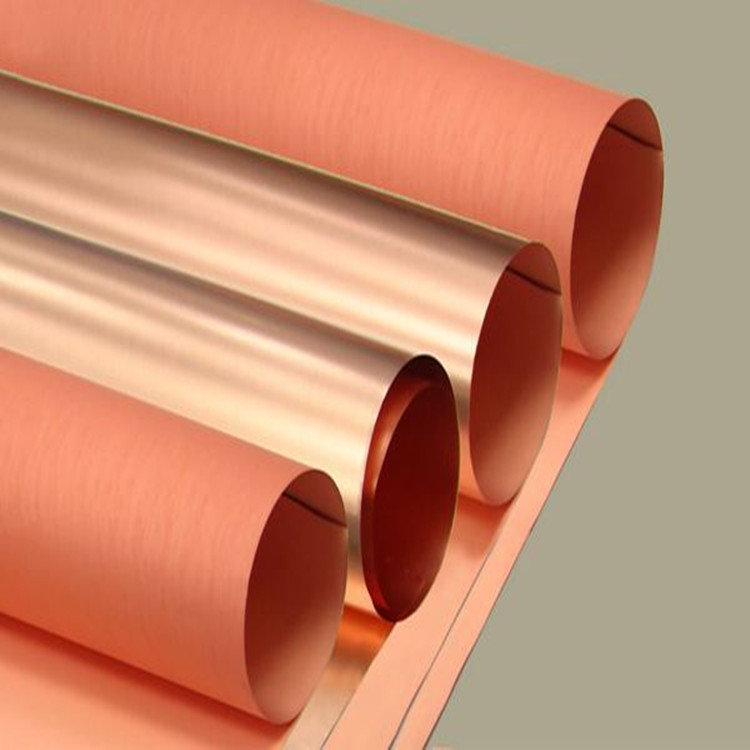
Copper foil is a high-purity copper metal sheet measured in micrometers (μm), categorized into two main types: electrolytic copper foil (dominant and cost-effective) and rolled copper foil (high-performance and premium-priced). It serves as a critical material for both CCL and lithium batteries. Lithium battery copper foil functions as an anode current collector, with continuous thinning from 6μm to 4.5μm and below to enhance energy density while reducing costs and improving efficiency. Electronic circuit copper foil includes high-end variants such as HVLP and RTF, supporting high-frequency signal transmission in AI server PCBs.
The industry exhibits a "total volume growth with structural differentiation" pattern: driven by dual factors of AI computing power and new energy demand, lithium battery copper foil consumption is projected to reach 1.15–1.2 million tons by 2026. However, limited supply of high-end ultra-thin copper foil and slow production capacity expansion have placed the industry in a tight balance and processing fee recovery cycle. Leading enterprises are intensifying market positioning, with continuously rising technological and cost barriers emerging as core competitive advantages.
4. Application of Flow Meters and Nozzles in Copper Foil Industry
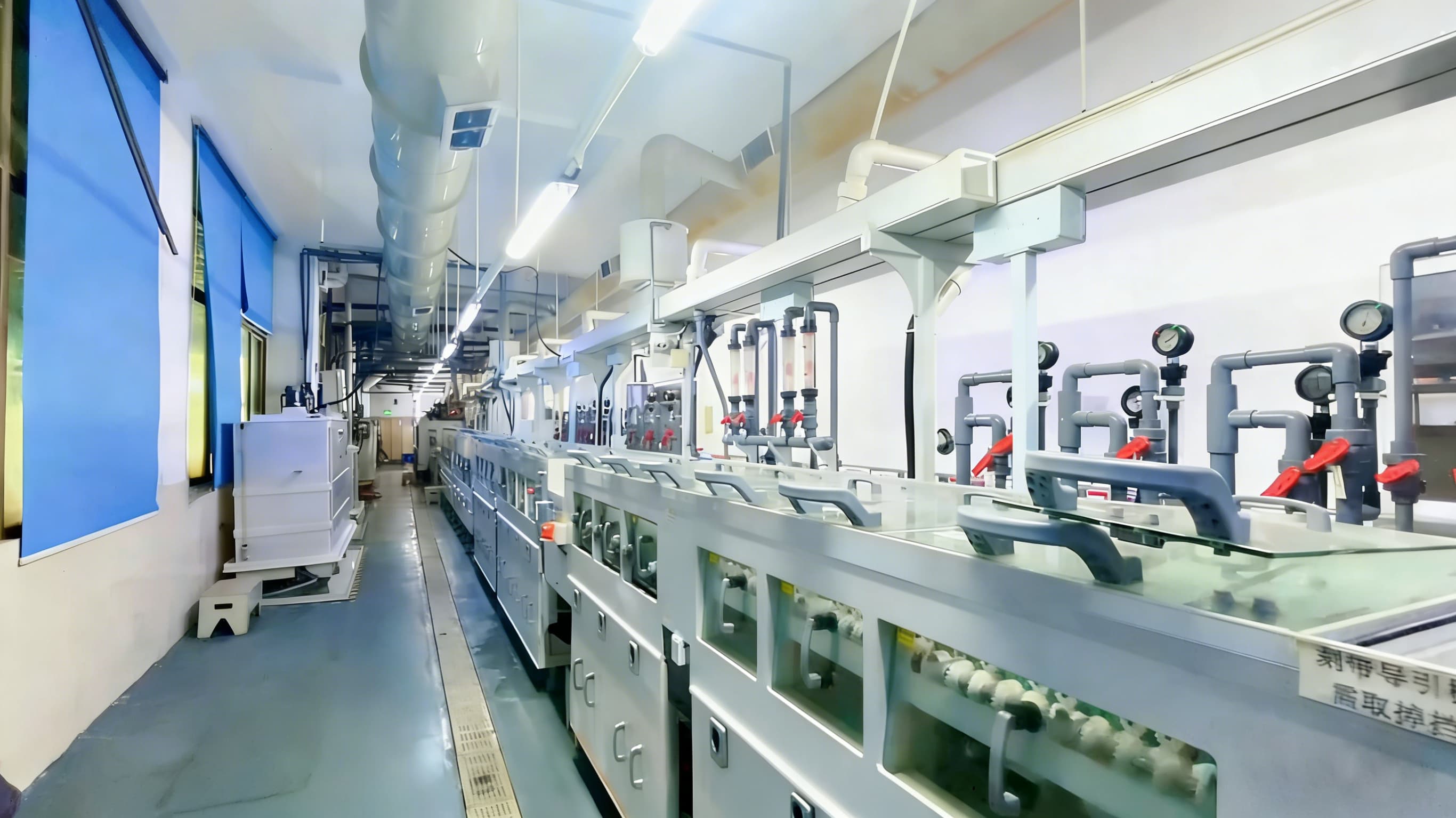
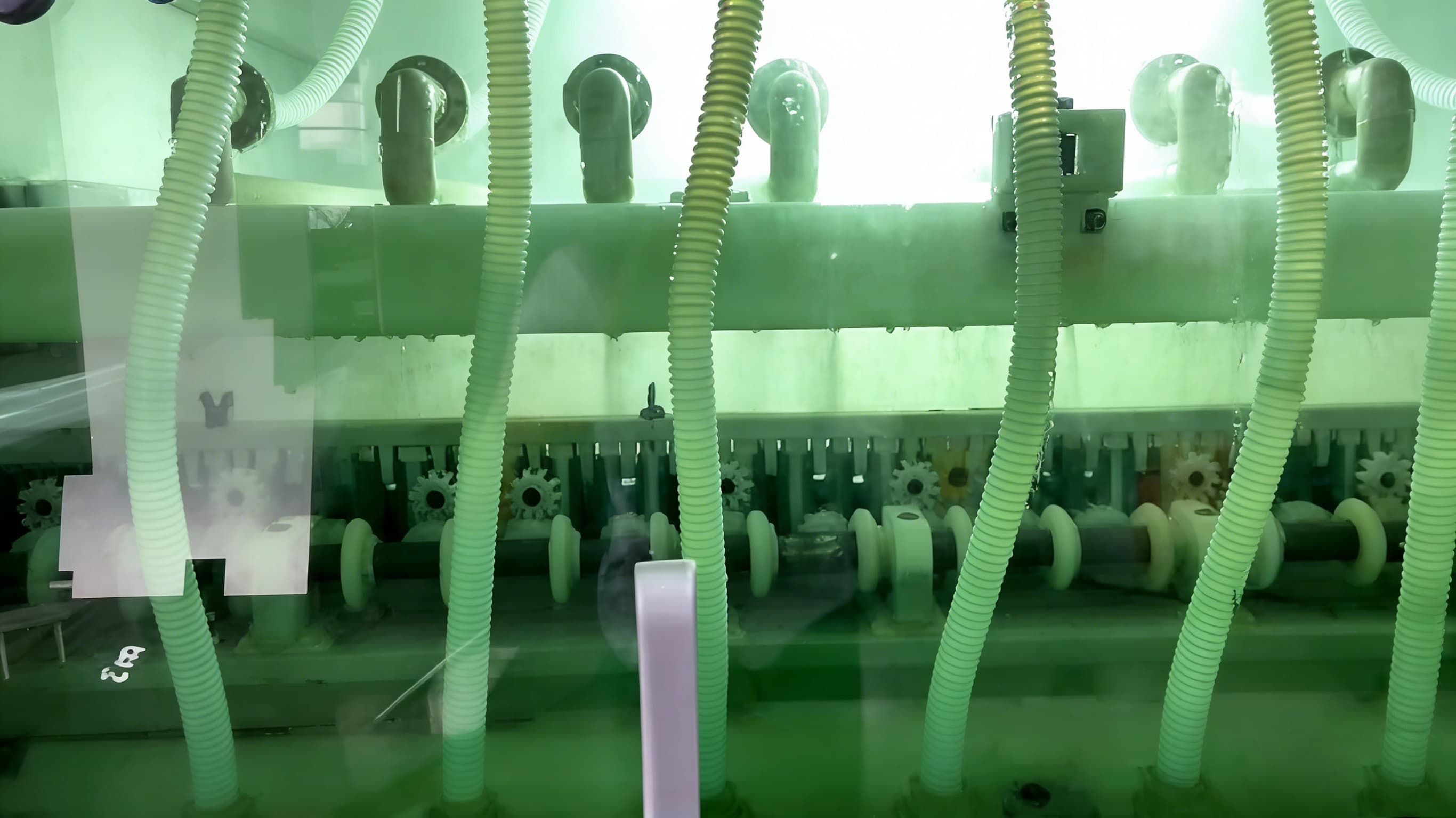
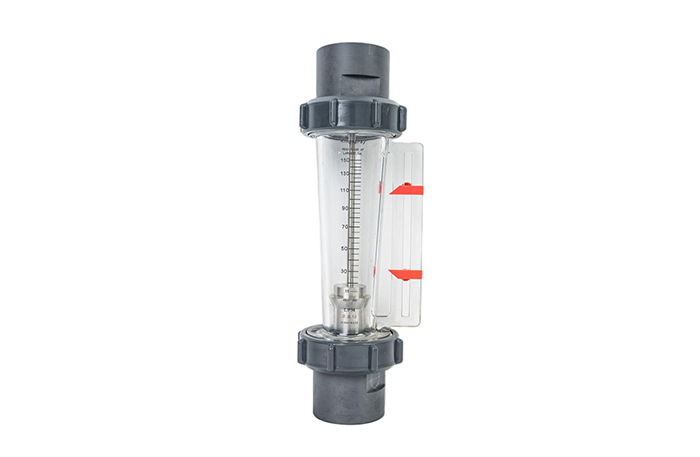
Flow meters and nozzles serve as critical components for precise liquid control and stable process management in copper foil production, spanning the entire workflow from electrolysis to cleaning and coating. During electrolysis, electromagnetic/ultrasonic flow meters accurately monitor the flow rates of copper sulfate electrolyte and additives, ensuring stable copper ion concentration and current density to prevent uneven foil thickness and pinhole defects. High-precision nozzles deliver uniform electrolyte spraying, creating a homogeneous electric field that enhances copper foil density and surface smoothness.
In the cleaning section, flow meters regulate pure water and pickling flow rates, while high-pressure spray nozzles remove surface impurities and residual acids from copper foil. During coating, flow meters precisely measure anti-oxidation and adhesive coating flows, working in tandem with fan-shaped/conical nozzles to ensure uniform application. This integrated system guarantees copper foil thickness tolerance and surface quality, supporting mass production of high-end lithium battery/electronic copper foils. As a critical equipment solution, it significantly enhances yield rates while reducing costs and improving operational efficiency.