English


Flow Meters and Nozzles for Electroplating
What are the advantages of the electroplating process, and what are its disadvantages and limitations?
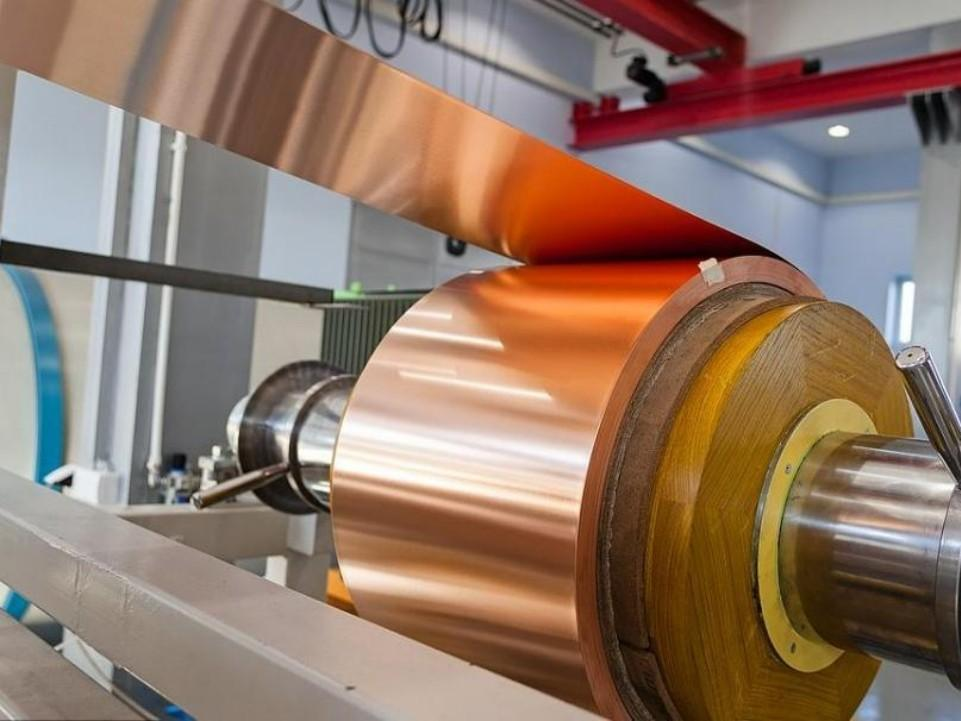
Electroplating is a widely used industrial surface treatment technology with significant advantages. It enables the deposition of uniform metal coatings on both metallic and non-metallic workpieces, providing rust and corrosion resistance as well as wear and scratch resistance, thereby substantially extending product service life.
The process enhances surface gloss and aesthetic quality while offering decorative benefits:
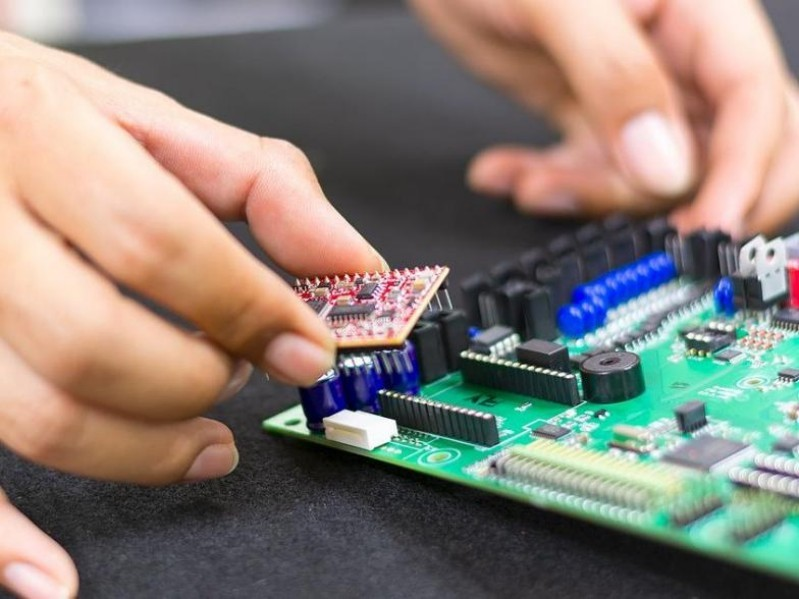
The coatings exhibit strong adhesion, controllable thickness, and excellent electrical/thermal conductivity and welding properties, making them suitable for mass production across industries such as PCB manufacturing, hardware, automotive parts, and sanitary ware.
With mature technology, scalable production capabilities, and moderate costs, electroplating is ideal for comprehensive coating applications on complex structural components.
Electroplating also has significant drawbacks and limitations.
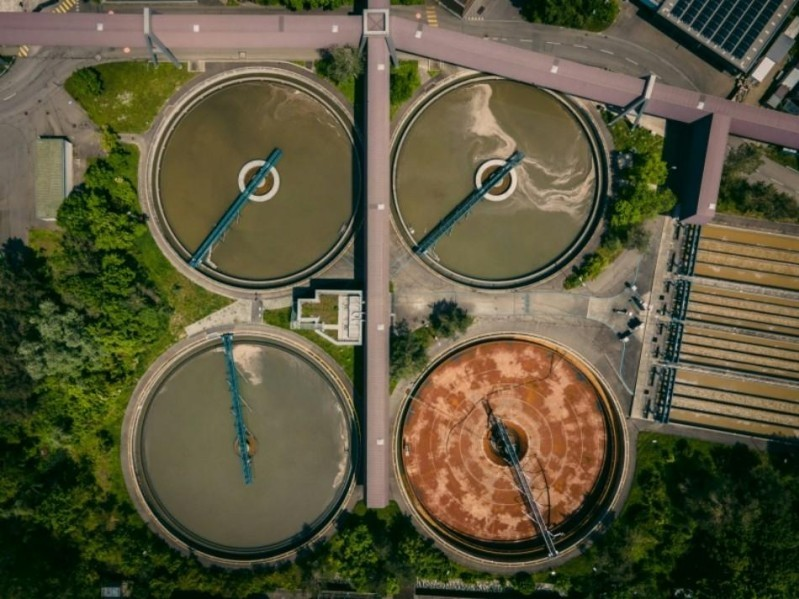
The production process generates acidic and alkaline wastewater as well as heavy metal pollutants, resulting in high environmental treatment costs; certain coatings are susceptible to corrosion and aging under acidic/alkaline or high-temperature conditions; thin-walled and precision components often exhibit uneven coating thickness or excessive thickening at edges;
the process imposes strict material requirements on substrates, making direct electroplating difficult for certain special plastics and composite materials; prolonged use leads to discoloration, peeling, and detachment, rendering high-end, high-precision products inadequate in meeting stringent corrosion resistance and stability requirements.
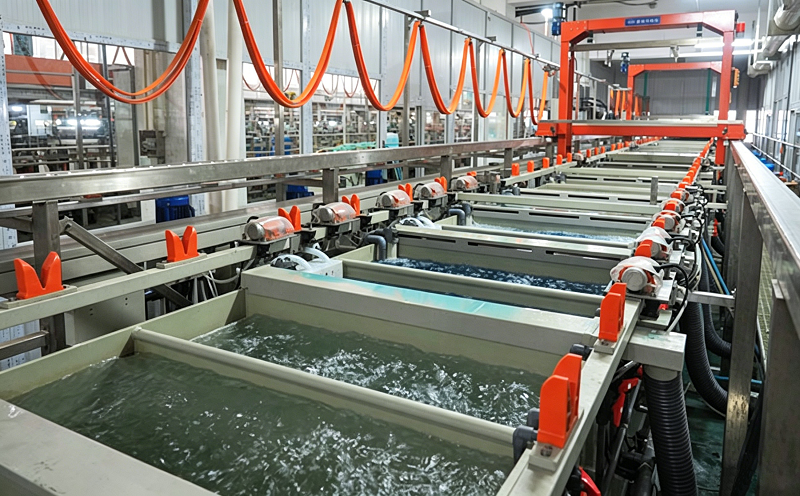
What is the fundamental working principle of electroplating? A detailed explanation of the core reaction process
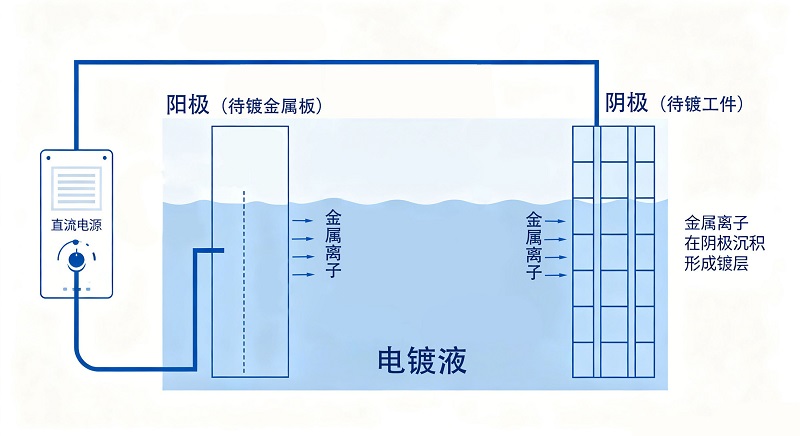
Electroplating is a surface treatment process based on the principle of electrolysis, which deposits a uniform and dense metal coating onto the workpiece surface using direct current.
The system consists of a power supply, an anode, a cathode, and an electroplating solution. The workpiece serves as the cathode, while the metal plate to be plated acts as the anode; both are immersed in an electrolyte containing metal ions, forming a closed circuit.
When the DC power is applied, an oxidation reaction occurs at the anode, where metal atoms lose electrons and become metal ions that dissolve into the electrolyte.
Under the influence of the electric field, these metal ions migrate directionally toward the cathode surface.
Concurrently, a reduction reaction takes place at the cathode, where metal ions accept electrons and recombine into metal atoms, depositing layer by layer onto the workpiece.
As the plating duration increases, the coating thickness gradually accumulates. Subsequent steps such as cleaning, passivation, and drying result in a protective and decorative coating.
The entire process relies on ion migration and redox reactions, enabling precise control over coating thickness, uniformity, and adhesion. Electroplating is widely used in industrial applications such as PCB manufacturing and automotive parts production.
The complete process steps for electroplating, from pretreatment to post-treatment
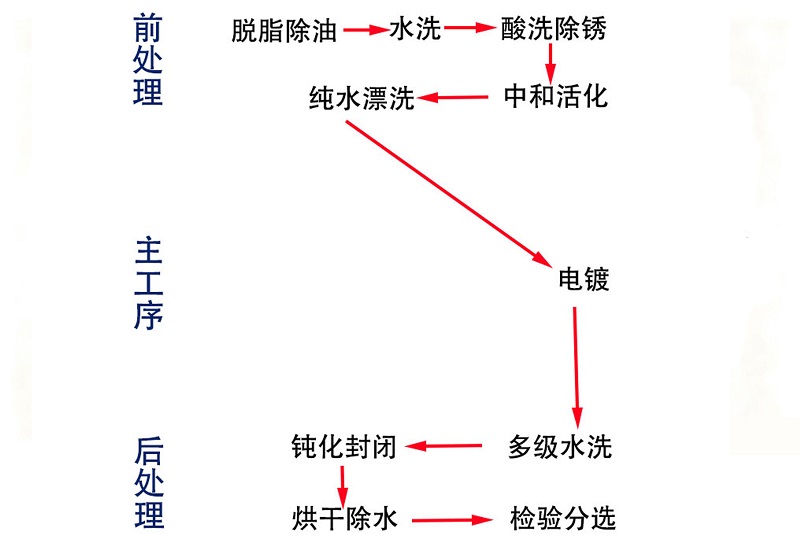
The complete electroplating process consists of three major stages: pretreatment, the main plating step, and post-treatment. Each stage directly influences both the adhesion of the coating and the quality of the final product.
Pre-treatment is crucial for the success of electroplating and sequentially includes degreasing, water washing, acid washing for rust removal, neutralization and activation, and rinsing with pure water. The purpose is to completely remove oil contaminants, oxide scales, and impurities from the workpiece surface, activate the substrate surface, and prevent adverse effects such as coating blistering, peeling, or mottling.
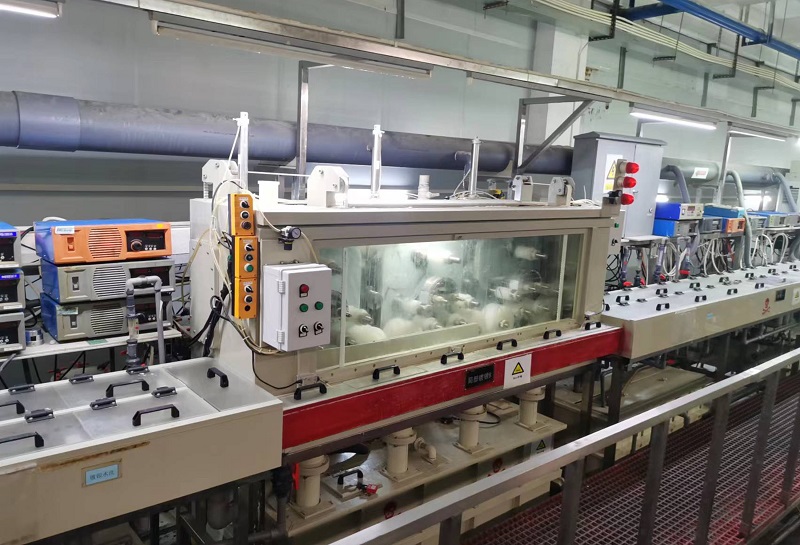
The primary electroplating procedure begins with securing the workpiece fixture, followed by immersion in the bath for pre-soaking before applying an electric current for plating. Through electrolysis, metal ions are uniformly deposited on the workpiece surface. During this process, flow meters and nozzles are employed to regulate the chemical solution flow rate and spray pattern, ensuring stable concentration, temperature, and current density to achieve uniform coating thickness.
Upon completion of the electroplating process, the product enters the post-processing stage, which includes multi-stage rinsing, passivation and sealing, drying and dehydration, followed by inspection and sorting. Passivation enhances corrosion and oxidation resistance; drying removes moisture to prevent rust recurrence. Finally, the products undergo visual inspection, adhesion testing, and salt spray testing, with only qualified products being stored in inventory. Each step of this integrated process is closely interconnected, forming a standardized procedure that ensures consistent electroplating quality.
The Functional Roles and Application Scenarios of Flow Meters and Nozzles in the Electroplating Industry
The flow meter and nozzle are indispensable core components for fluid control in electroplating production lines, operating throughout the entire process—from pretreatment and main plating tanks to rinsing and post-treatment—and directly determining coating uniformity, process stability, and production yield.
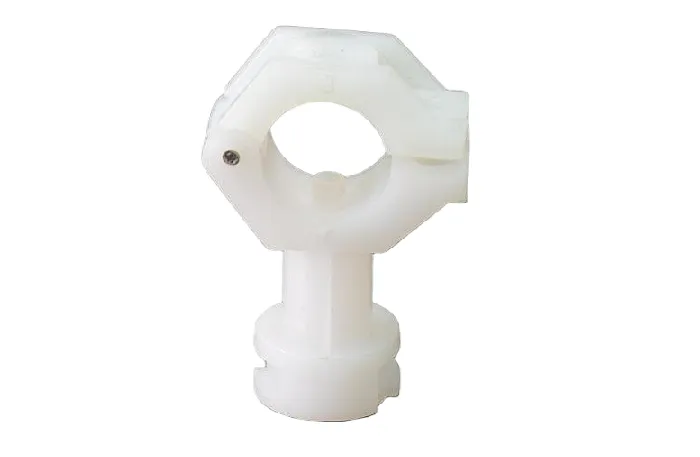
The nozzles are primarily used for chemical liquid spraying, circulation stirring, and workpiece rinsing. During the pretreatment degreasing and acid washing stages, sector-shaped and conical nozzles deliver the chemical liquid uniformly, ensuring comprehensive coverage of the workpiece surface to rapidly remove oil contaminants and oxide layers. In the electroplating tank, spray nozzles facilitate chemical liquid circulation to maintain balanced solution concentration and temperature. The multi-stage rinsing process utilizes high-pressure nozzles to thoroughly wash away residual chemicals from all surfaces, minimizing cross-contamination while conserving water and ensuring thorough cleaning.
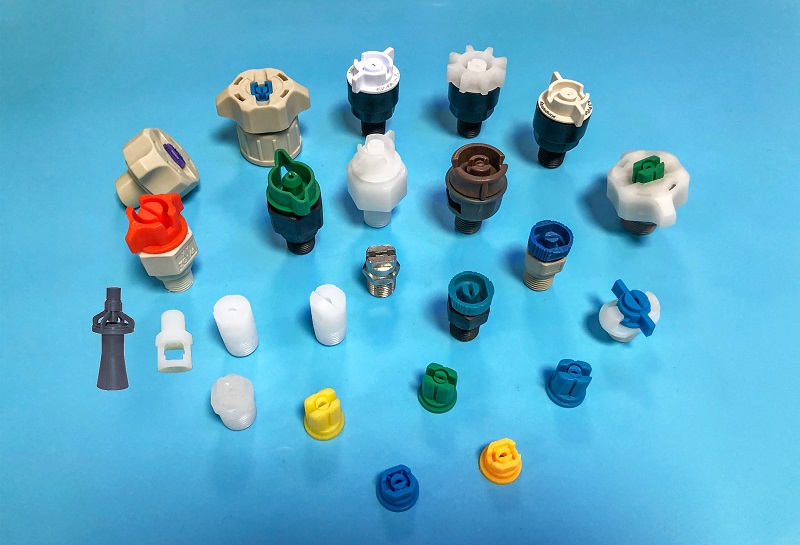
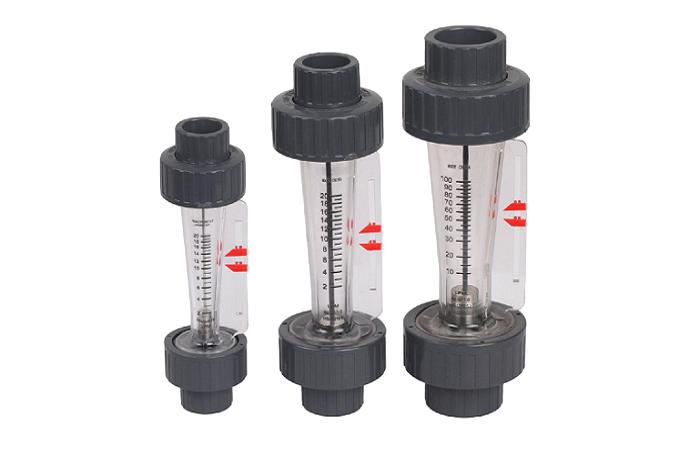
The flow meter primarily enables precise control over the flow rates of electroplating solution, chemical solutions (acid and alkali), pure water, and recirculation water. It monitors the tank solution circulation flow in real time, stabilizes chemical ratios and flow velocities, ensures consistent current density, and prevents uneven coating thickness, foaming, or speckling. Simultaneously, it accurately regulates the flow rates for chemical addition and water replenishment, facilitating automatic chemical dosing and reducing material waste. Additionally, it detects abnormal pipeline flow in real time, promptly issuing warnings for blockages or leaks to ensure continuous and stable production line operation. When used in conjunction, these features achieve precise liquid control and uniform spraying during electroplating processes, thereby enhancing product quality, reducing costs, and improving environmental and operational efficiency.