English


Flow Meters and Nozzles For Purified Water Industries
Pure water differs from ordinary drinking water; is consuming pure water more healthful?
The fundamental difference between purified water and conventional drinking water lies in their mineral content and compositional profile. Purified water undergoes advanced filtration processes such as reverse osmosis and distillation, which effectively remove nearly all minerals, impurities, and microorganisms, resulting in exceptionally clean water with extremely low hardness. In contrast, conventional drinking water retains natural minerals such as calcium, magnesium, and potassium, maintains a balanced pH level, and serves as one of the primary sources for daily mineral supplementation in the human body.
From a health perspective, both types of water have distinct applications, and pure water is not inherently healthier. Pure water exhibits high purity with no contaminants or scale deposits, making it suitable for individuals with sensitive gastrointestinal systems, beverage preparation, and industrial use. However, long-term consumption of pure water alone may reduce mineral intake and disrupt the body's electrolyte balance.
Ordinary drinking water contains natural trace elements that meet the daily metabolic requirements of the human body, and long-term consumption aligns better with health standards. For daily household use or prolonged consumption, compliant ordinary drinking water should be prioritized; for temporary use, special environments, or dietary supplementation, purified water may be selected. It is recommended to alternate between these two options to balance cleanliness and nutritional value.
Can tap water be consumed directly? Is there any issue of expiration for stored water?
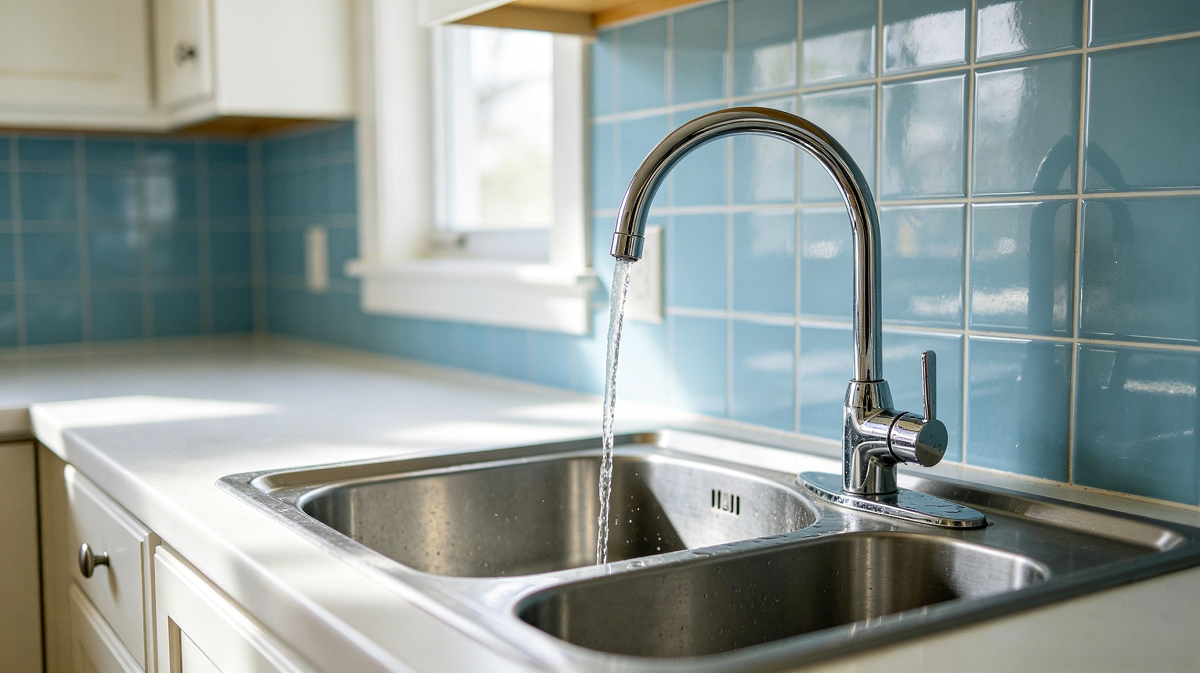
Although domestic municipal tap water meets factory hygiene standards, impurities and microorganisms can easily enter the distribution pipelines and secondary water supply tanks, and secondary contamination may occur in the pipes; therefore, direct consumption is not recommended. Particularly in older residential areas or high-rise buildings with tank-based water supply systems, water quality risks are higher, making boiling the safest method for consumption.
stored tap water indeed faces issues of spoilage and expiration. When stored sealed at room temperature, residual chlorine in the water gradually dissipates, leading to diminished antibacterial efficacy, while airborne bacteria and dust particles can proliferate extensively upon contact. For tap water packaged in containers or barrels kept at room temperature, consumption within 24 hours is recommended; under high-temperature and humid conditions during summer, the rate of spoilage significantly accelerates.
When stored in a sealed, light-resistant container at refrigeration, the shelf life may be briefly extended, but should not exceed 3 days. Prolonged storage can promote algal growth and produce unpleasant odors; therefore, household water should preferably be used immediately after drawing. If water storage is necessary, clean, sealed containers must be employed, and the water should be thoroughly cleaned and replaced periodically.
From raw water to pure water: a concise overview of the entire water treatment process
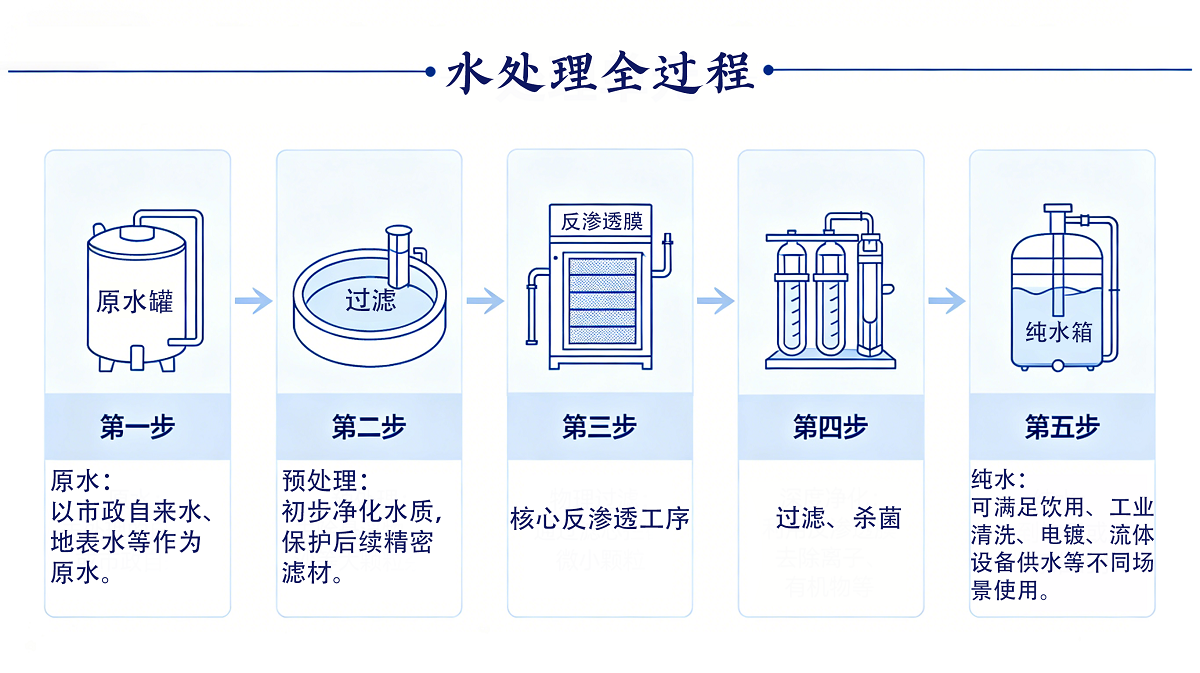
Using municipal tap water or surface water as the raw source, pure water preparation follows a multi-stage purification process to progressively remove impurities, ions, and microorganisms. The initial pretreatment involves filtration through screens, quartz sand, and activated carbon to retain sediment, suspended solids, residual chlorine, and organic matter, thereby achieving preliminary water purification and protecting subsequent precision filtration media.
The process then proceeds to the core reverse osmosis stage, where high pressure and a reverse osmosis membrane are utilized to thoroughly remove harmful substances such as heavy metals, calcium/magnesium ions, and bacteria, yielding the primary stream of pure water. For premium-grade pure water, additional ion exchange or EDI (Electrodeionization) units may be installed to further reduce conductivity and enhance water purity.
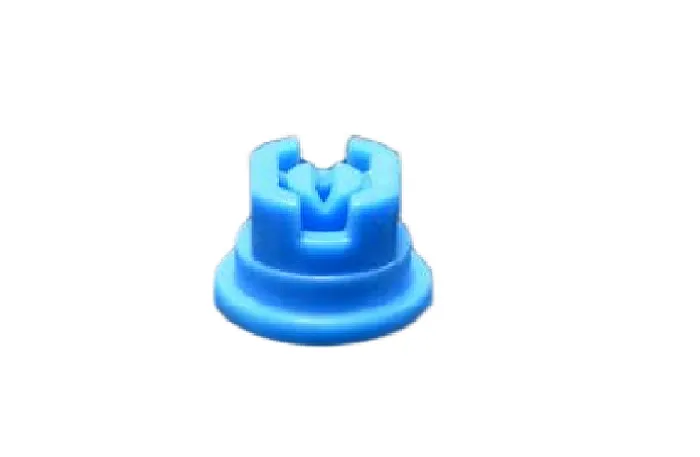
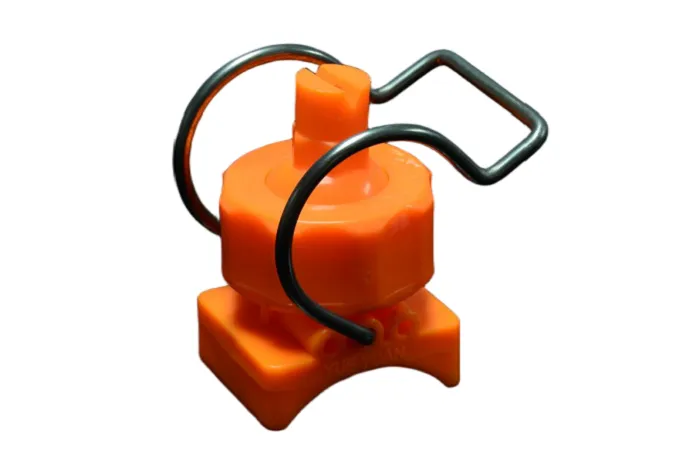
Upon completion of primary purification, the water undergoes precision filtration and ultraviolet sterilization to completely eliminate residual microorganisms. Throughout the entire process, a flow meter continuously monitors water flow and pressure in each pipeline, while nozzles facilitate chemical dosing and pipeline cleaning. The final purified water exhibits extremely low impurity levels, making it suitable for various applications including drinking water, industrial cleaning, electroplating, and fluid equipment supply.
Application of flow meters in monitoring and control at various stages of pure water production
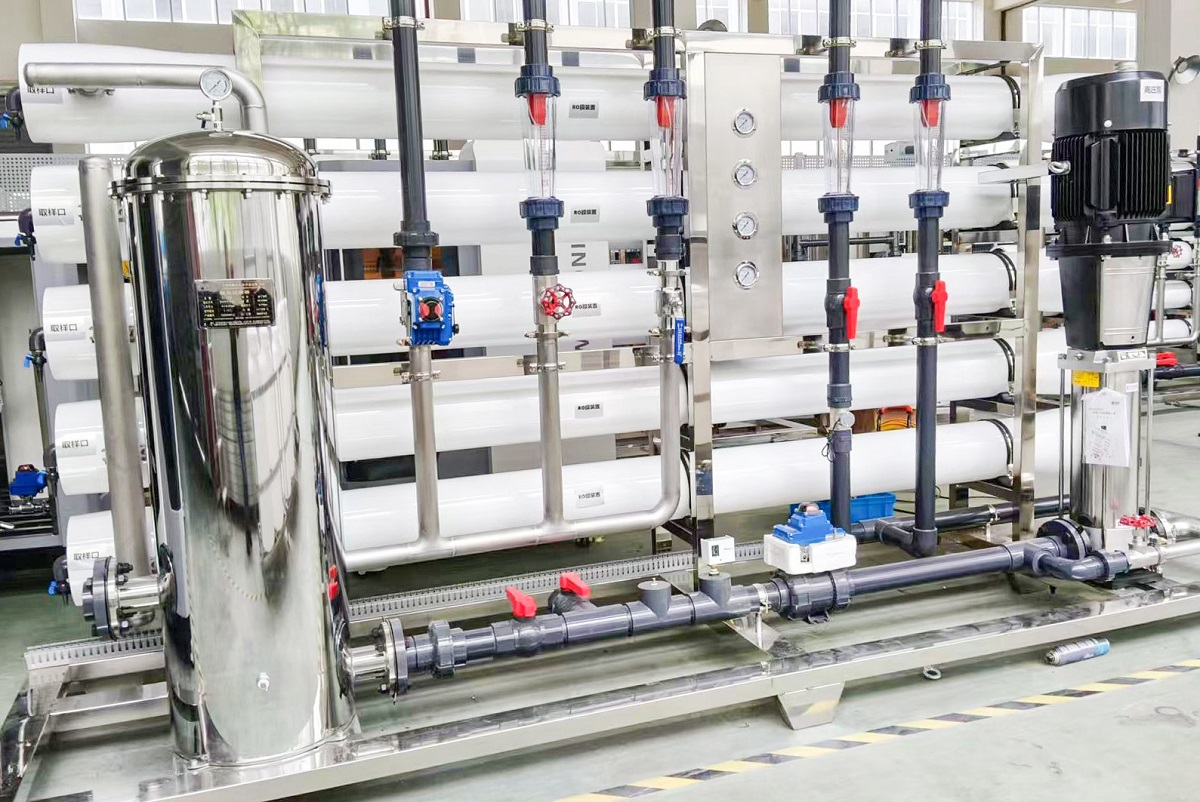
The flowmeter is a critical device for achieving precise control in pure water production lines, covering the entire process from raw water intake, pretreatment, reverse osmosis, product water generation to return water treatment. At the raw water inlet end, the flowmeter continuously monitors the total inflow volume, stabilizes the water load, and prevents fluctuations in water flow from damaging downstream filter media and membrane modules.
During the pretreatment stage, precise monitoring of flow rates in the filtration system and dosing pipelines is conducted to control the amounts of coagulants and reducing agents added, ensuring optimal water pretreatment efficiency and minimizing chemical consumption. In the core reverse osmosis process, flow rates of influent, concentrate, and purified water are monitored respectively; the operational status of membrane elements is assessed based on the water production ratio, enabling timely detection of faults such as membrane blockage or leakage.
The water production transportation and circulation pipelines utilize flow meters to measure the output of purified water and differentiate flow rates at various application points, facilitating capacity statistics and cost accounting. The integrated pipeline system provides flow interlock protection, enabling immediate alarm and shutdown in case of abnormalities. This comprehensive monitoring system maintains consistent process parameters throughout the purification workflow, ensuring compliant effluent quality while achieving water conservation, reduced energy consumption, lower operational costs, and enabling efficient, continuous production line operation.