
 English


In electroplating production, flow rate is closely linked to coating consistency, chemical consumption, rinsing quality, and line stability. Pretreatment, plating tanks, circulation loops, chemical replenishment, pure water rinsing, and post-treatment all require controlled liquid movement. If the flow is too low, the solution may not circulate evenly. If the flow is too high, chemical waste, foaming, unstable spray coverage, or process disturbance may occur.
An LPM rotameter is a practical flow measuring device for many electroplating lines because it provides a direct visual reading in liters per minute. For production teams, maintenance engineers, and equipment buyers, the key question is not simply whether a rotameter can be installed. The more important question is whether its flow range, pipe size, material suitability, and reading position match the actual electroplating process.
Why an LPM Rotameter Matters in Electroplating Lines
A rotameter flow meter, also known as a variable area flow meter, measures volumetric flow by using a float inside a tapered tube. As liquid flow increases, the float rises. Operators read the flow rate from the scale at the float position. This simple structure makes the LPM rotameter useful where direct operator-side checking is needed.
In electroplating lines, flow meters help control the movement of electroplating solution, acid and alkali chemical solutions, pure water, and recirculation water. Stable flow supports more consistent solution concentration, current density, and rinsing performance. It also helps operators detect abnormal conditions such as blocked pipelines, insufficient circulation, or unexpected flow loss before they affect coating quality.
Compared with digital instruments, a rotameter is valued for its readability and simple operation. It does not need a complicated interface for basic flow confirmation. For many electroplating workshops, this makes it suitable for local pipelines, branch lines, testing points, and operator inspection positions.
How to Understand Flow Range When Selecting an LPM Rotameter
Flow range is one of the most important selection factors. Buyers should not choose a rotameter only by pipe size or by the maximum flow shown in the catalog. A suitable LPM rotameter should cover the normal operating flow range with enough readability. Ideally, the regular working point should stay near the middle area of the scale, not too close to the bottom or top.
| Rotameter model | Pipe size | Available LPM range | Typical selection consideration |
|---|---|---|---|
| Kingspray-F10 Rotameter | 1/2 inch | 0.1-1.0 LPM to 2.0-20 LPM | Suitable for smaller flow points, branch lines, or low-flow chemical/water monitoring |
| Kingspray-F20 Water, Air Rotameter | 1/2 inch to 3/4 inch | 1.0-10 LPM to 5.0-50 LPM | Suitable for medium-small flow sections where local reading is required |
| Kingspray-F30 Liquid and Gas Rotameter | 3/4 inch and 1 inch | 2.0-20 LPM to 10-100 LPM | Suitable for larger branch lines and liquid circulation monitoring |
| Kingspray-F31 Variable Area Flowmeter | 1/2 inch to 1 inch | 10-100 LPM | Suitable when the process needs a higher local flow range in a compact pipeline |
| Kingspray-F45 Patented Dual-indicator Flow Meter | 1-1/2 inch and 2 inch | 10-100 LPM to 60-600 LPM | Suitable for higher-flow circulation pipelines or larger electroplating process sections |
For example, if the normal operating flow is around 8 LPM, a range such as 1.0-10 LPM may be easier to read than a much larger range. If the line normally works around 80 LPM, a small rotameter is not appropriate even if the pipe connection seems convenient. Matching the LPM range to the real operating condition is more reliable than selecting by appearance alone.
How to Read an LPM Rotameter Correctly
Reading method affects daily accuracy. The operator should view the scale at eye level and avoid reading from an angle. In most rotameter designs, the reading is taken at the widest part of the float or at the specified reference point marked by the manufacturer. If different operators use different reading habits, the recorded flow values may become inconsistent.
The rotameter should also be installed in the correct direction and position. Because the float movement depends on flow and gravity, vertical installation is normally required for many variable area flow meters. The pipeline should be stable, and the flow should be as smooth as possible before entering the meter. Strong vibration, air bubbles, or unstable pump output may cause the float to fluctuate, making the reading harder to judge.
For electroplating operators, the reading should not be treated as an isolated number. It should be checked together with tank circulation, nozzle spray condition, chemical replenishment, rinsing result, and any visible process change. If the flow reading changes suddenly, the cause may be a blocked filter, pump issue, valve adjustment, pipeline leakage, or abnormal solution condition.
Where an LPM Rotameter Fits in Electroplating Flow Control
An LPM rotameter is especially useful in electroplating positions where visual flow confirmation is needed near the equipment. It can support pretreatment lines, acid washing, chemical circulation, water washing, rinsing, and post-treatment sections. In these areas, operators often need to know whether liquid flow is stable before checking deeper process issues.
In plating tanks, flow control helps maintain more balanced solution distribution. In rinsing stages, proper flow supports removal of residual chemicals and reduces cross-contamination risk. In chemical dosing or replenishment lines, a clear flow reading helps production teams avoid under-supply or excessive chemical use. In circulation loops, visible flow monitoring helps confirm that the solution is moving as expected.
However, a rotameter is not the best choice for every measuring point. If the system requires remote signal output, automated data collection, or higher-precision process control, buyers may need to compare other flow meter types. For simple visual monitoring and operator-side confirmation, the LPM rotameter remains a practical and cost-effective option.
Selection Tips for Electroplating Buyers
Before purchasing a rotameter flow meter for electroplating lines, buyers should prepare process information instead of only sending a pipe size. Electroplating involves different liquids, and each liquid may place different demands on material compatibility, flow stability, and maintenance.
Confirm the liquid: Identify whether the line carries plating solution, acid or alkali chemical liquid, pure water, rinsing water, or recirculation water.
Provide the real flow range: Share minimum, normal, and maximum LPM values so the scale can be matched properly.
Check pipe size and connection: Match the rotameter with the pipeline layout, pipe diameter, and available installation space.
Consider reading visibility: Place the meter where operators can read it safely and consistently during production.
Review the process importance: Use simple visual meters for local checks, and consider other flow meter types for critical automated control points.
For replacement projects, it is helpful to provide photos of the old meter, scale range, connection type, flow direction, and installation position. For new electroplating equipment, the rotameter should be reviewed together with pumps, valves, tanks, nozzles, and filtration systems. This helps avoid a common problem: the meter fits the pipe but does not match the actual process flow requirement.
Common Mistakes When Buying an LPM Rotameter
One common mistake is selecting a rotameter with a range that is too wide. When the normal working flow stays near the bottom of the scale, the operator may find it difficult to read small changes. Another mistake is choosing only by pipe size. Pipe size matters, but it does not replace flow range calculation.
Some buyers also ignore installation direction and reading position. A rotameter installed in a difficult-to-view location may reduce the value of visual monitoring. In electroplating workshops, safe and convenient reading is important because operators may need to check flow repeatedly during production.
Material and liquid condition should also be reviewed carefully. Electroplating lines may involve corrosive chemicals, impurities, or temperature changes. The selected flow meter should be suitable for the working environment, not only the nominal flow rate.
Conclusion
An LPM rotameter is a practical choice for visual flow monitoring in electroplating lines when the flow range, pipe size, liquid condition, and installation position are properly matched.
For accurate model selection, share your electroplating liquid type, pipe size, installation layout, and working LPM range with Kingspray so the right rotameter flow meter can be matched to your process line.
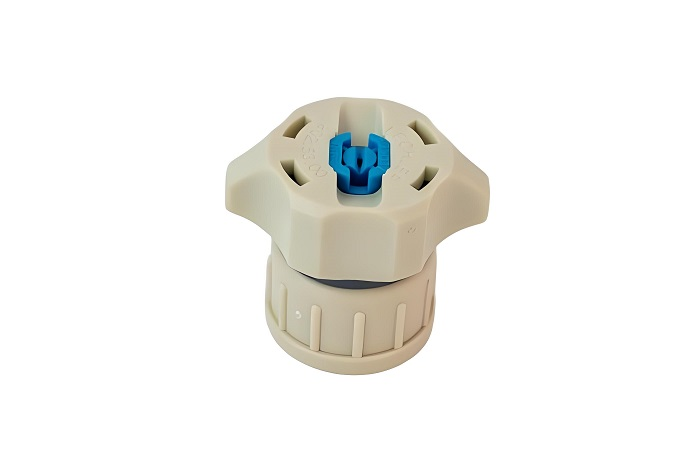
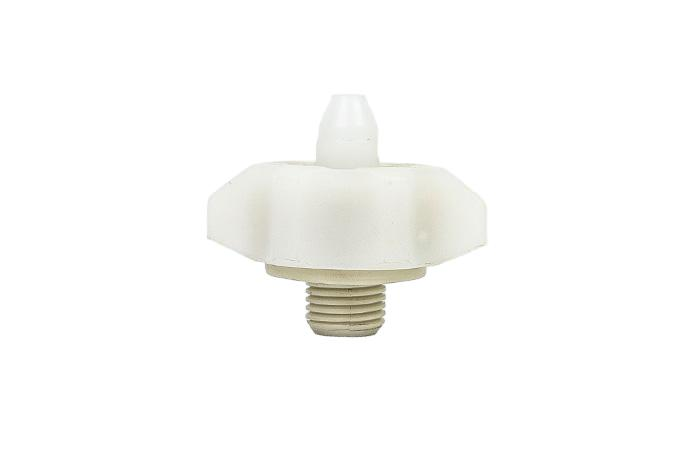
.webp "Kingspray-F10 Rotameter, 1/2 Inch Pipe Size, 0.1-1.0 LPM to 2.0-20 LPM-F10")