English


Flow Meters and Nozzles for AC
What is an air conditioner? Is the function of an air conditioner limited to blowing cold air? Can an air conditioner be simply equated with a cold air unit?
Air conditioning, formally known as an air conditioner, is a household appliance designed to regulate indoor air quality. It intelligently controls temperature, humidity, and airflow to enhance living comfort. Beyond its primary cooling function, air conditioners are more than just refrigeration units. While cooling remains their core capability, they also offer practical features like winter heating, dehumidification during rainy seasons, and daily ventilation. Some models even incorporate air purification systems, maintaining optimal indoor environments year-round to meet seasonal comfort needs.
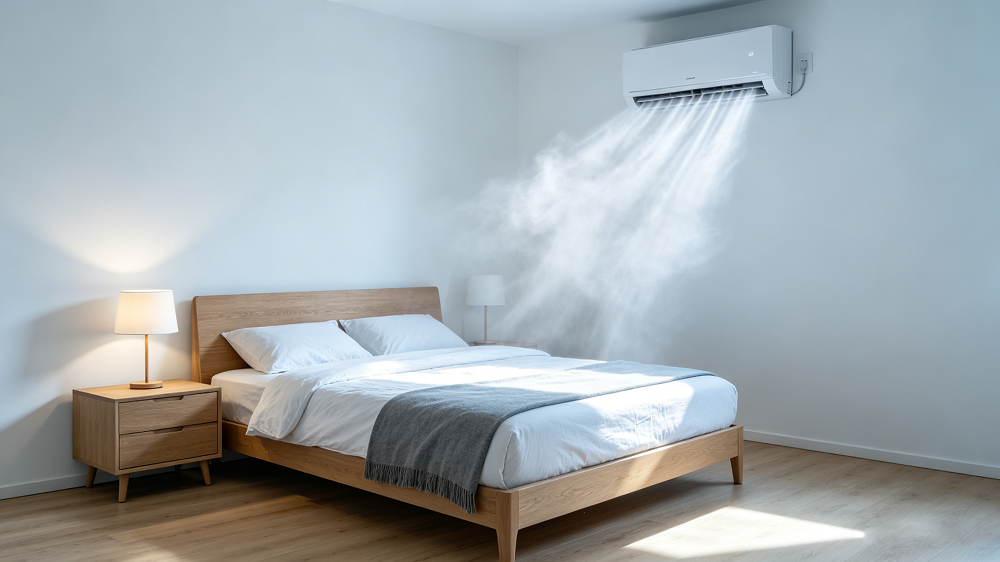
How to Select Air Conditioners on the Market? What Are the Different Types of Cooling Systems and Refrigeration Categories Available?
When selecting an air conditioner, first determine the appropriate capacity based on room size and layout, then choose the model according to usage scenarios. Wall-mounted units are ideal for bedrooms, while floor-standing units are preferred for living rooms. For fully renovated homes, ducted units or central air conditioning systems may be considered. Opt for high-efficiency inverter models with Class 1 energy performance – they offer energy savings, quiet operation, and precise temperature control for enhanced comfort. Air conditioning systems primarily fall into two categories: refrigerant-based systems and water-based systems. Household refrigerant systems provide rapid cooling and easy installation, whereas water-based systems deliver gentle airflow, making them suitable for larger spaces. Functionally, units are divided into single-cooling models (for cooling only) and combined cooling/heating units (operating year-round to meet dual cooling/heating needs).

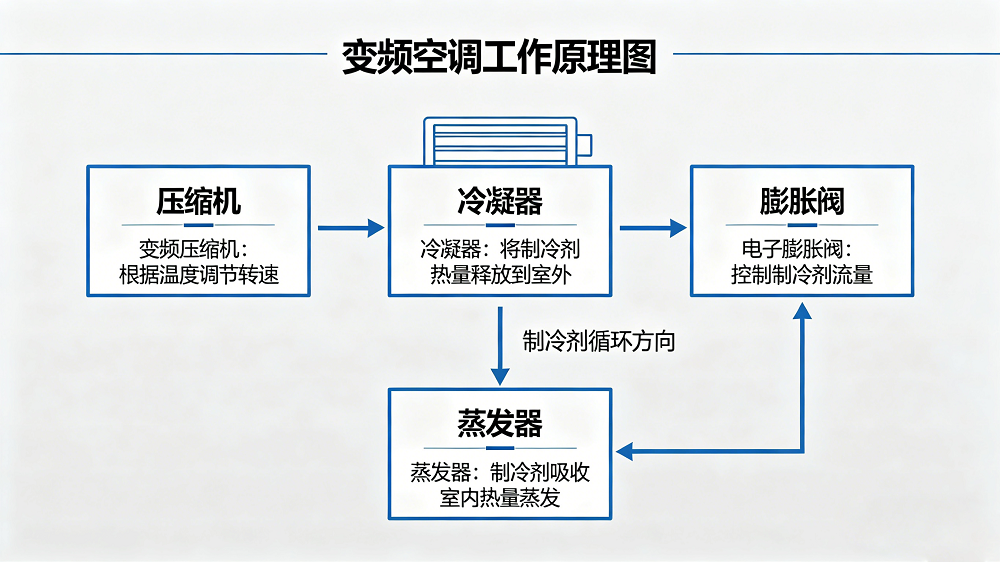
Are variable-frequency air conditioners truly more energy-efficient than fixed-frequency ones?
Compared to fixed-frequency air conditioners, variable-frequency models demonstrate superior energy efficiency over extended use. Fixed-frequency units automatically shut down upon reaching preset temperatures and restart when temperatures rise, resulting in excessive power consumption from frequent on/off cycles and more noticeable temperature fluctuations. In contrast, variable-frequency units maintain stable temperatures through low-power, low-speed operation after achieving equilibrium, eliminating the need for repeated cycling and ensuring consistent temperature control. This energy-saving advantage becomes particularly pronounced during prolonged operation, nighttime sleep periods, or enclosed spaces. Although variable-frequency units command higher purchase prices, they offer lower energy consumption, quieter operation, enhanced comfort levels, and significant long-term electricity savings, delivering superior overall cost-effectiveness.
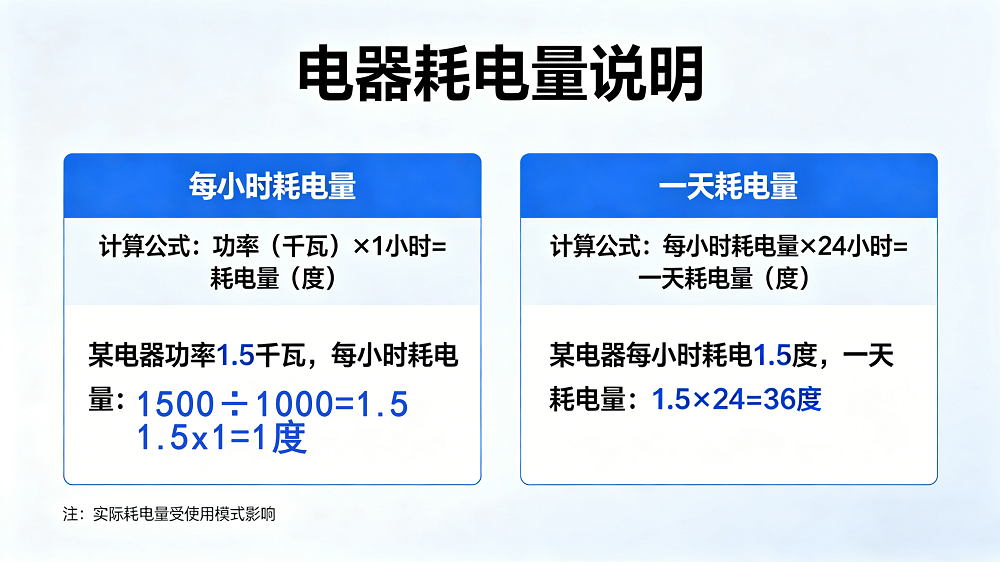
How to calculate the electricity consumption of an appliance per hour and per day?
The daily electricity consumption calculation method for household appliances is straightforward and easy to understand. First, it's essential to recognize that 1 kWh equals 1000 watts per hour. Check the rated power capacity on appliance labels, which is measured in watts (W). The hourly electricity consumption formula is: power divided by 1000, yielding the hourly electricity usage. Multiply this hourly consumption by daily usage hours to determine total daily electricity consumption. Higher power ratings and longer usage durations result in greater energy consumption. Variable-frequency appliances adjust power output based on operational conditions, leading to actual consumption slightly lower than rated values, while fixed-frequency appliances provide more accurate measurements. This simple formula enables quick estimation of daily electricity costs.
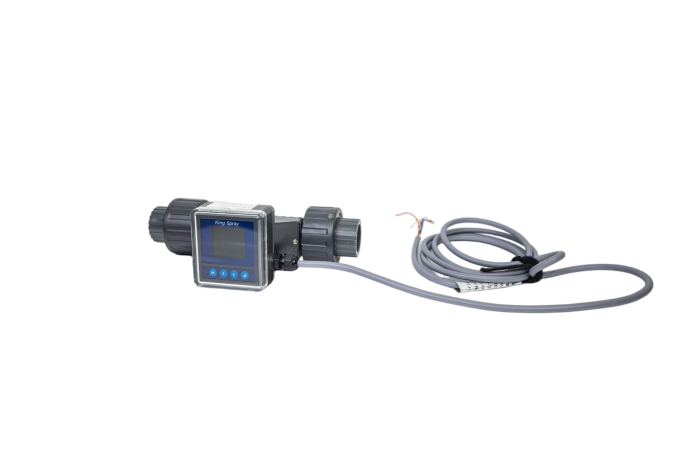
Role of Flow Meters and Nozzles in Air Conditioning Systems
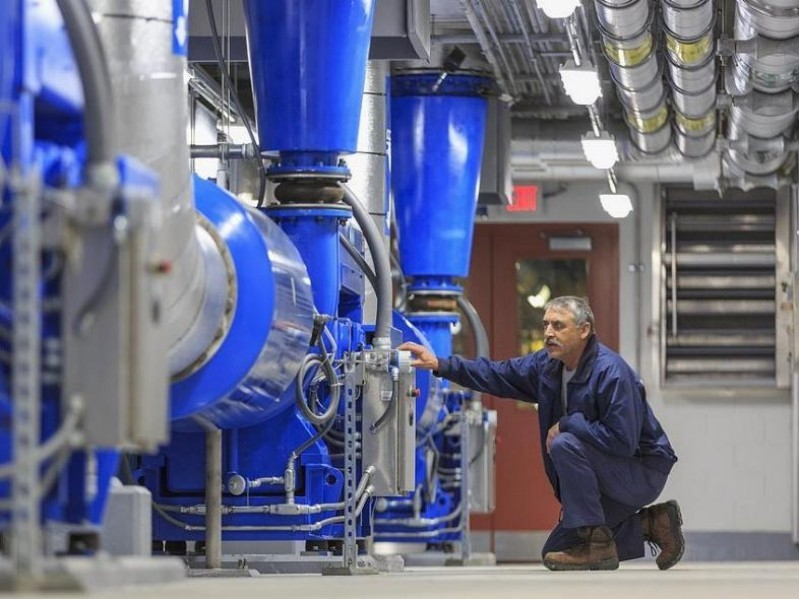
In air conditioning systems, flow meters and nozzles serve complementary roles, each undertaking critical functions in system measurement control and air handling respectively, ensuring efficient, stable, and comfortable operation of the HVAC system.
Functioning as the "core measurement and control unit" of the system, the flowmeter primarily monitors flow rates of chilled water, cooling water, refrigerants, or air within ductwork. It provides real-time, precise feedback on fluid velocity, volume, or mass flow rate, while calculating cooling/heating loads based on supply-return water temperature differentials to support individual household energy billing and conservation analysis. The device integrates with frequency conversion systems to automatically regulate flow balance, preventing energy waste. Additionally, it detects abnormal flow patterns to alert potential pipeline blockages or leaks, thereby safeguarding system equipment integrity.
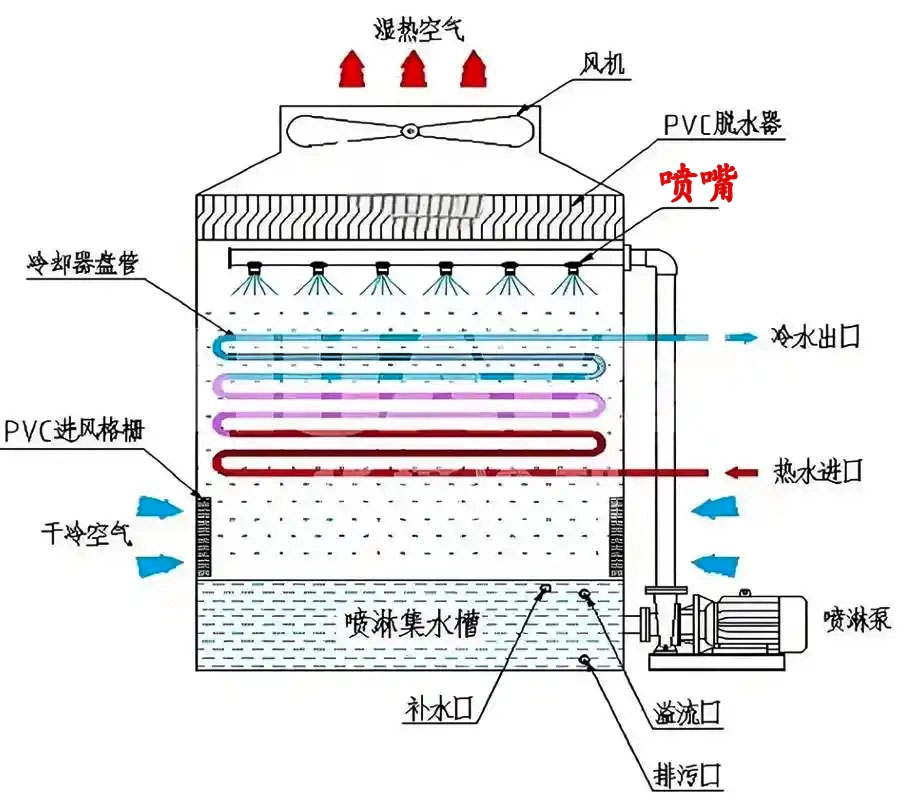
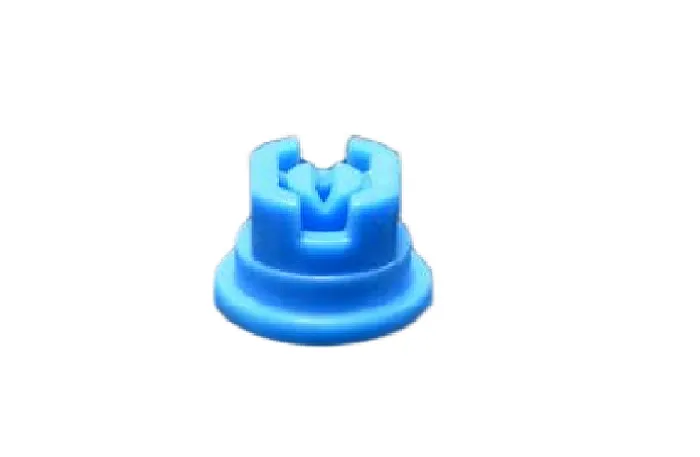
The nozzle serves as the "critical air handling component" in the system, primarily responsible for atomization, heat exchange, and induced air distribution. Within the spray chamber, it atomizes water into fine droplets that directly interact with air to achieve cooling, dehumidification, humidification, or air purification. In ducts or inducers, it delivers primary air at high velocity to induce indoor return air mixing, thereby expanding air distribution coverage and reducing fresh air energy consumption. Additionally, it can be utilized for cooling tower temperature regulation and duct airflow monitoring, contributing to optimized air distribution comfort and system efficiency.