English


Flow Meters and Nozzles for Steel Industry
Is stainless steel truly permanent rust-proof, and what are the causes of rust formation?
Stainless steel does not completely resist rusting; its rust prevention and corrosion resistance capabilities are significantly superior to those of ordinary steel, though it is not entirely rust-free. It relies on a dense passive film on its surface to isolate it from air and moisture, thereby providing rust protection. Once this protective layer is compromised, corrosion will still occur.
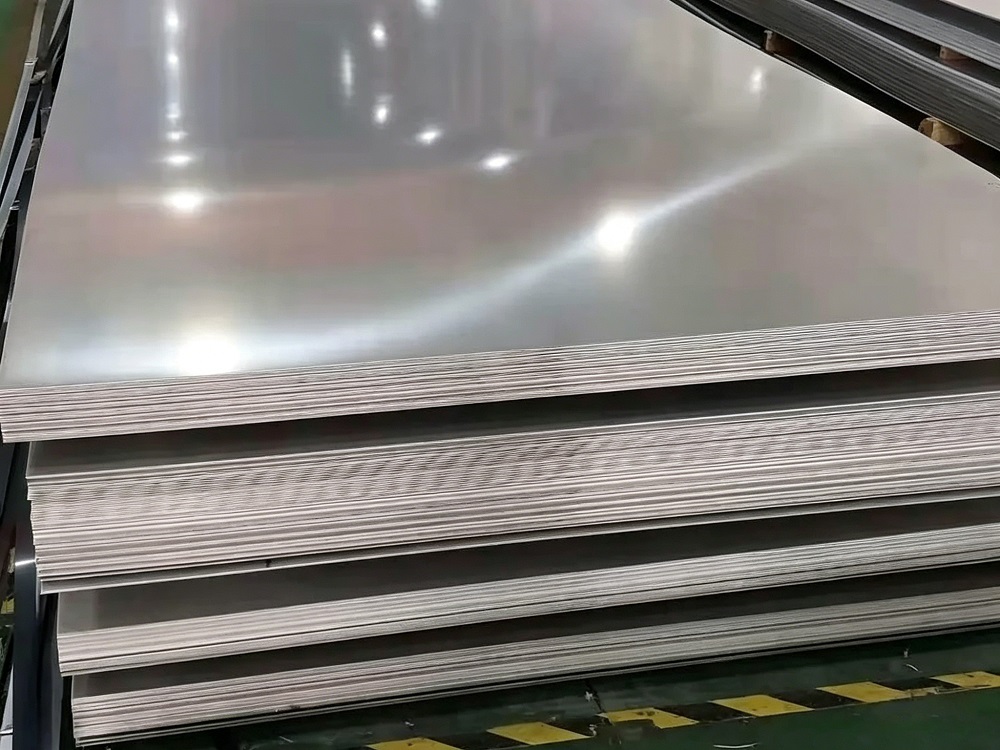
Numerous factors in daily environments can induce rust formation.
Firstly, environmental factors: prolonged exposure to humid and rainy conditions, coastal salt spray, or acidic/alkaline chemical atmospheres allows chloride ions and corrosive agents to penetrate the passivation film, compromising the protective structure.
Secondly, surface damage—grinding scratches, impact wear, or welding marks directly remove the protective film, leaving the underlying metal susceptible to oxidation and rust formation.
Furthermore, improper use and processing can accelerate rust formation.Prolonged exposure to oil, dust, and welding slag without timely removal allows impurities to accumulate and promote corrosion. Additionally, materials with lower grades and insufficient chromium-nickel content inherently exhibit weaker rust resistance, making them more prone to yellowing and surface rusting under harsh operating conditions. Only through proper surface protection, regular cleaning and maintenance, and avoidance of corrosive environments can stainless steel maintain its smooth finish and durability over the long term.
Classify the advantages and disadvantages of two types of stainless steel, and guide you in making precise model selections.
The commonly used stainless steels on the market are primarily divided into two categories: 201 stainless steel and 304 stainless steel, which differ significantly in performance, price, and application scenarios.
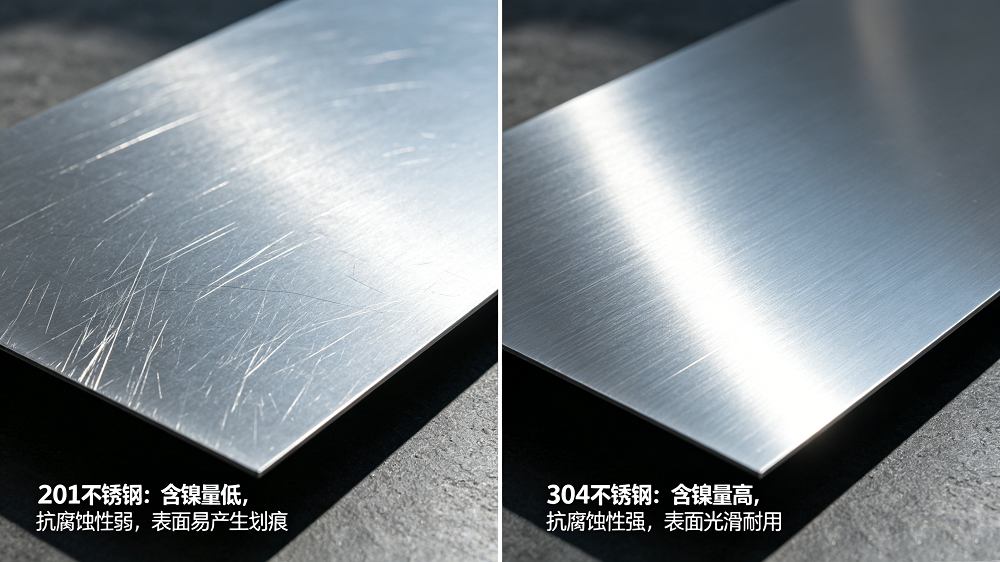
201 stainless steel features a high manganese content and low nickel content, resulting in low production costs, affordable pricing, high hardness, and ease of stamping. It is suitable for general indoor decoration, simple hardware, and daily small applications. However, its drawbacks include weak rust and corrosion resistance, poor tolerance to salt spray, acids, alkalis, and humid environments, as well as susceptibility to rusting outdoors. Additionally, it exhibits poor toughness and oxidation resistance, often developing yellowing and corrosion over prolonged use.
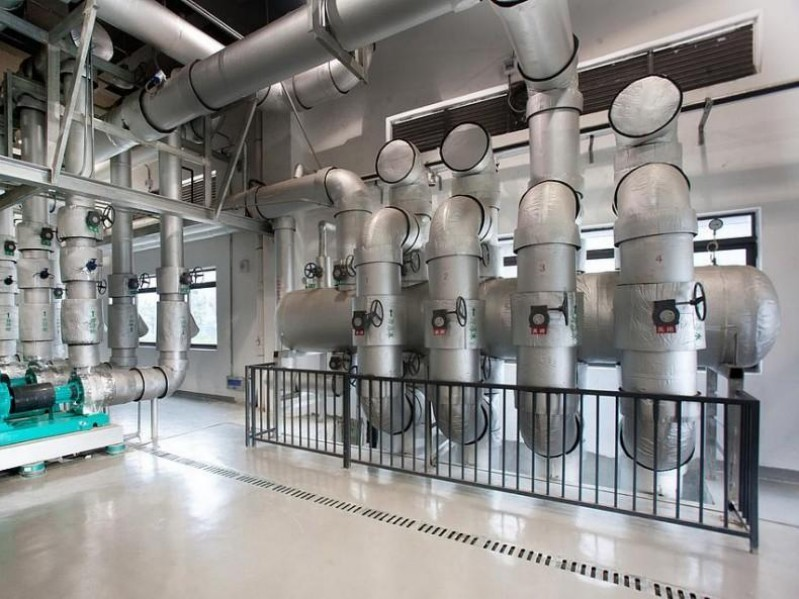
304 stainless steel is a food-grade material with standardized chromium-nickel ratios, offering excellent rust resistance, acid/alkali resistance, salt spray resistance, high-temperature tolerance, strong toughness, easy cleaning, and environmental safety. It is widely used in kitchen and bathroom equipment, electroplated fixtures, industrial machinery, outdoor components, and fluid piping systems. Its only drawback is higher procurement costs compared to 201 steel.
For indoor applications requiring low-frequency use and cost-effectiveness, 201 stainless steel is recommended; for outdoor applications involving moisture, water exposure, chemical contact, food contact, or long-term industrial operation, 304 stainless steel is preferred for its balance of durability and operational stability.
Analysis of the Current Status and Market Application Areas of the Steel Industry Development
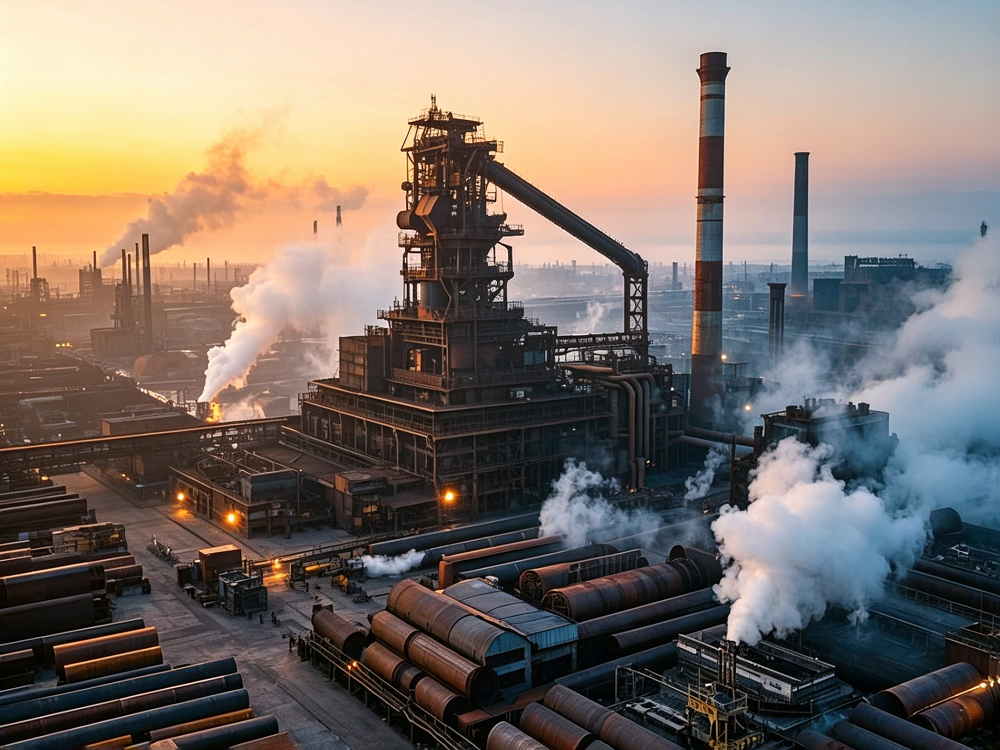
Currently, China's steel industry is at a critical transition period characterized by overall output reduction and structural upgrading, exhibiting features of "oversupply, profit pressure, and breakthrough in high-end segments." In the first quarter of 2026, crude steel production decreased by 4.6% year-on-year. The industry actively implemented production controls and phased out inefficient capacity, but high raw material costs and sluggish steel prices squeezed profits, while demand for traditional construction steel remained weak. The industry is shifting from scale expansion toward greener, smarter, and higher-end development, with a focus on advancing high-value-added products such as high-strength steel, electrical steel, and offshore steel.
The market application shows structural differentiation:
Building infrastructure (accounting for approximately 55%): Primarily consisting of rebar and H-beams, these materials are used in real estate projects, bridges, and utility tunnels. Demand faces pressure as the real estate market declines.
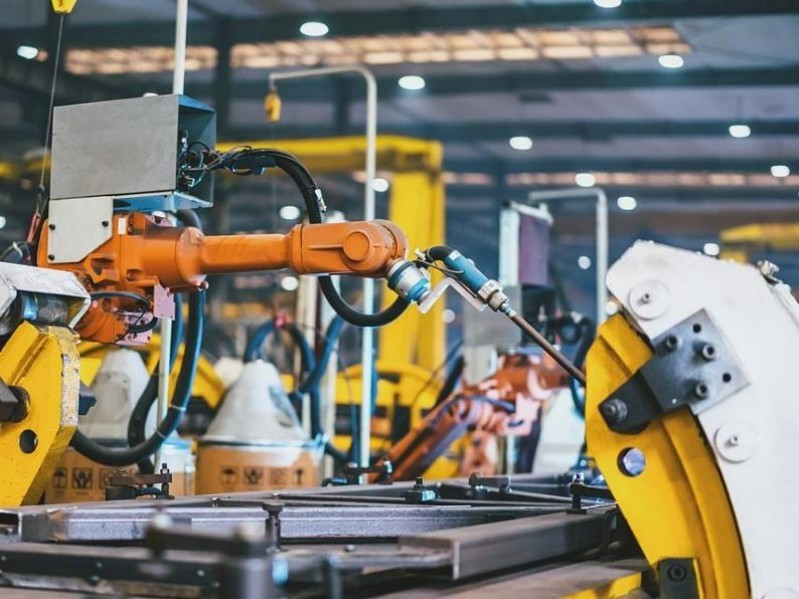
Advanced manufacturing: Automotive steel plates and silicon steel are used in new energy vehicles and electric motors; high-strength steel and special steels are applied in machinery, shipbuilding, and aerospace industries.
Energy and Environmental Protection: Demand for weathering-resistant steel used in wind turbine towers, photovoltaic mounting structures, oil and gas pipelines, and pipeline steel continues to grow steadily.
Home Appliance and Light Industry: Cold-rolled sheets and galvanized sheets are used for appliance casings and hardware components, with emphasis on surface precision and corrosion resistance.
The industry's growth opportunities are concentrated in high-end special steels, green short-process technologies, and intelligent manufacturing. Competition in traditional general steel remains intense, while high-value-added and customized steel products have emerged as the primary drivers of growth.
The complete steel smelting and manufacturing process, along with its core production steps
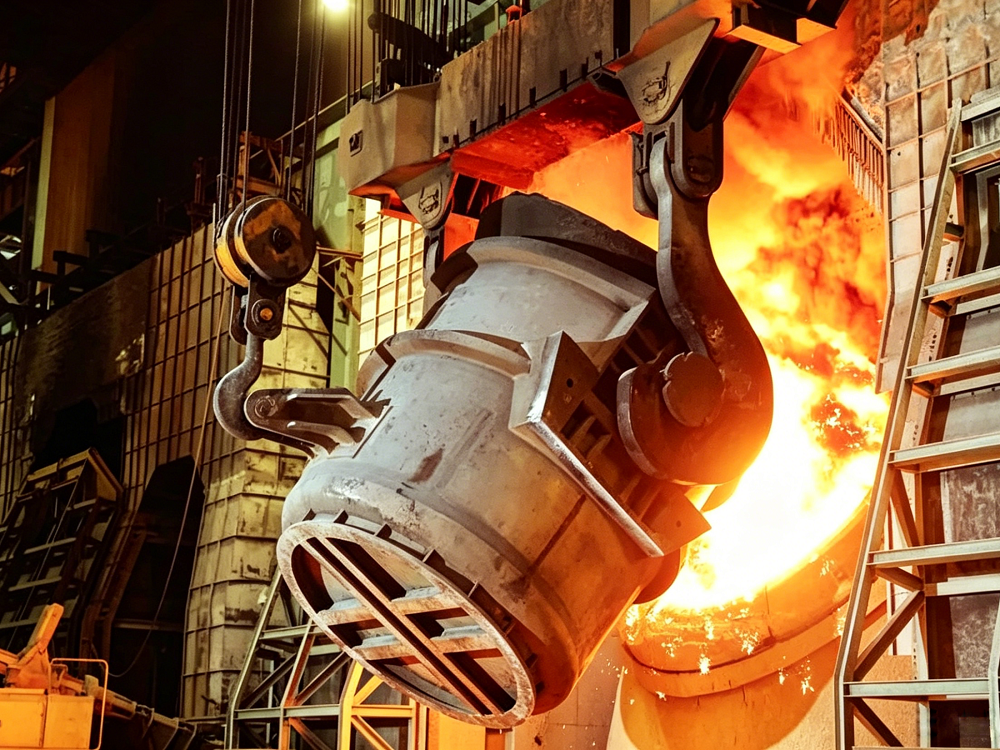
The steel production process, from raw materials to finished steel products, is continuous and rigorous, encompassing three core stages: mineral processing and ironmaking, steelmaking and refining, and rolling and forming.
The process begins with raw material preparation, where iron ore, coke, and limestone are blended and subjected to high-temperature smelting in a blast furnace to produce pig iron while removing most impurity elements.
Next, steel is produced using a converter or electric furnace. Scrap steel is added to the molten iron, followed by oxygen blowing for decarburization and desulfurization to adjust the internal alloy composition. The steel is then refined and purified to remove harmful impurities, yielding qualified molten steel. This steel is subsequently cooled and shaped through continuous casting to produce billets and ingots as the basic raw materials.
Finally, the steel billet enters the rolling processing stage, where it is heated and shaped through hot rolling and cold rolling to produce various steel products such as steel plates, sections, pipes, and wire rods according to requirements. Subsequent processes include pickling and rust removal, annealing and tempering, surface treatment, cutting and sizing, and quality non-destructive testing.
The entire production process features multi-level quality control, with precise regulation of temperature, pressure, and material composition ratios. This ensures optimal mechanical properties such as hardness, strength, and toughness of the steel, while also enabling customized anti-corrosion and wear-resistant characteristics tailored to specific applications. The resulting finished steel products are suitable for diverse sectors including construction, industrial manufacturing, and hardware processing.
Fluid control components: Nozzles and flow meters enhance the quality and efficiency of steel production
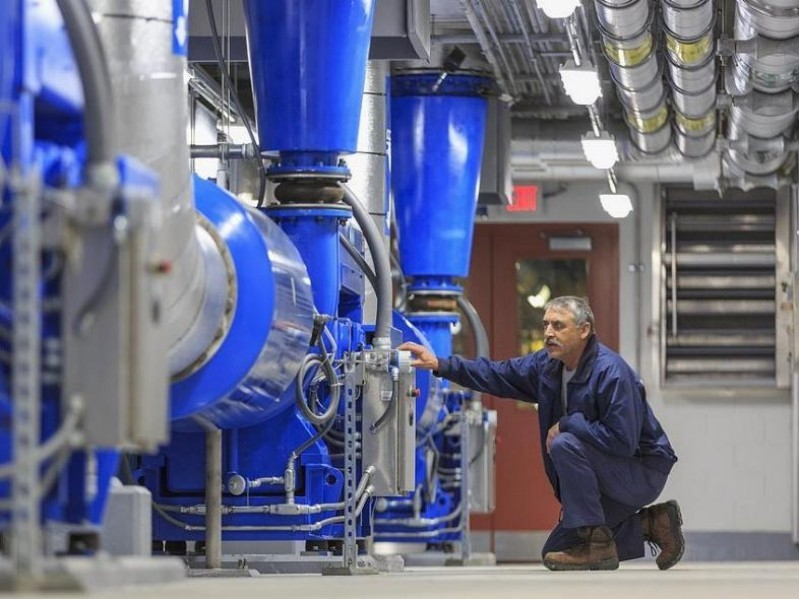
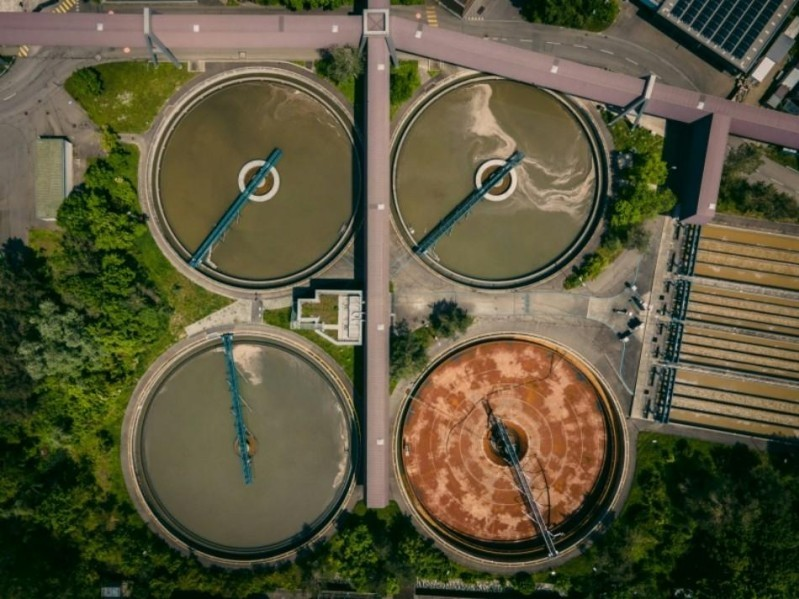
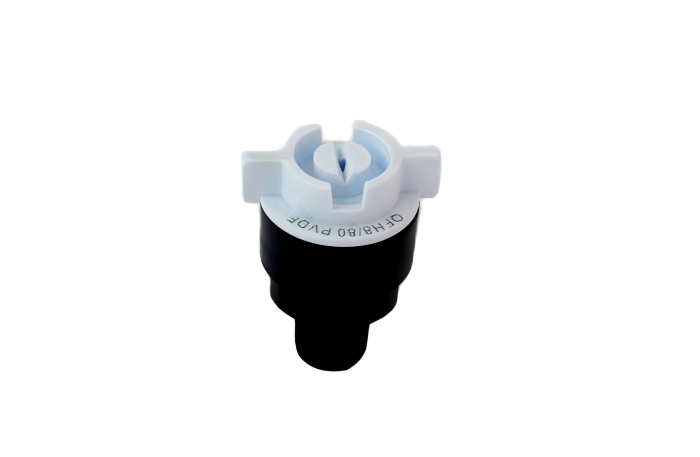
In the entire steel production process, nozzles and flow meters are critical components for fluid control, widely used in ironmaking, steelmaking, rolling, cooling, and environmental dust removal processes. They effectively help enterprises reduce costs, improve efficiency, and maintain stable product quality.
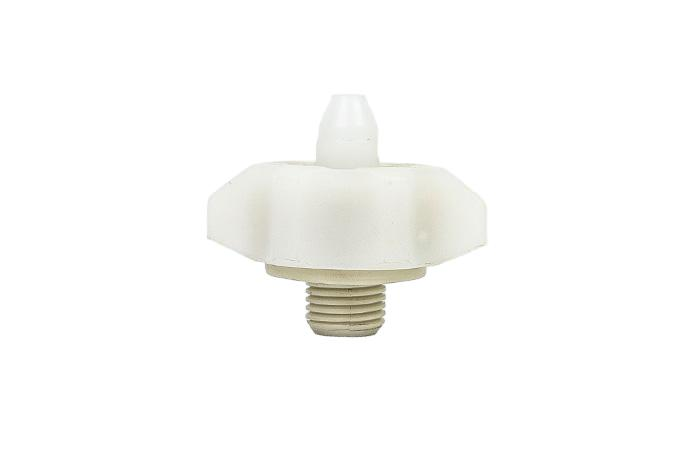
Various industrial nozzles demonstrate exceptional performance. High-temperature resistant nozzles are employed in smelting furnaces to inject combustion-supporting media, enhancing combustion efficiency; high-pressure sector nozzles enable rapid cooling of steel plates on rolling lines while ensuring uniform temperature control to prevent deformation and cracking; corrosion-resistant nozzles deliver chemical solutions uniformly during acid washing and rust removal processes for efficient oxide scale removal; atomizing nozzles spray water mist agents in dust removal and desulfurization operations, effectively purifying industrial exhaust gases and particulates while optimizing the production environment.
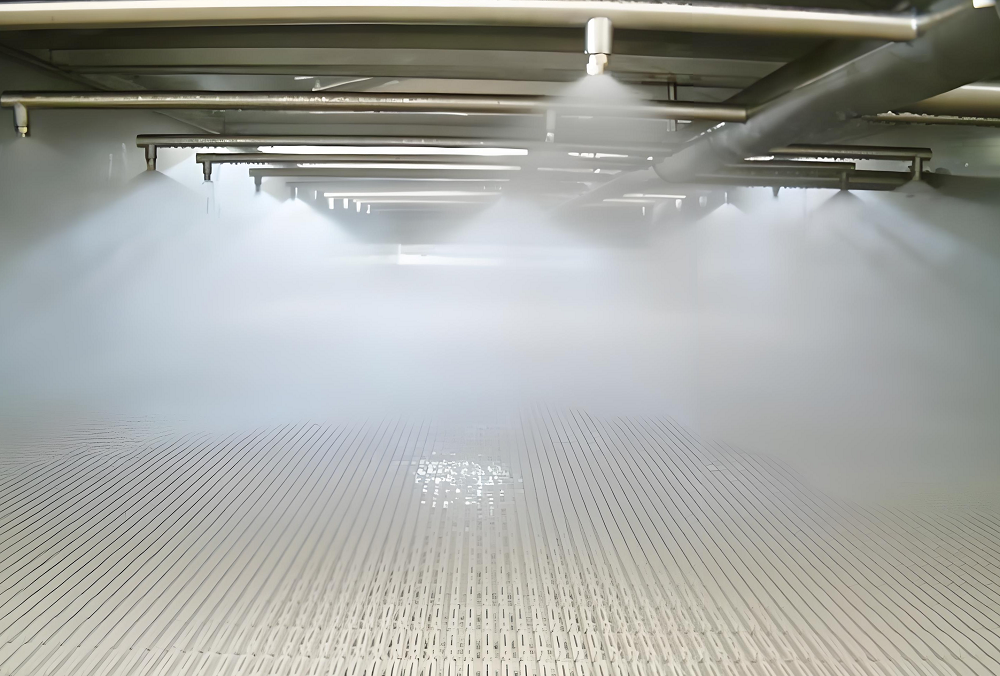
The flow meter is primarily responsible for accurately monitoring the flow rates of various media, including cooling water, circulating water, acidic and alkaline chemical solutions, as well as gas and auxiliary gases, in real-time to stabilize production process parameters. It ensures precise control over mixing ratios and delivery flows, minimizing energy and chemical waste while preventing issues such as uneven steel quality or substandard performance caused by flow fluctuations.
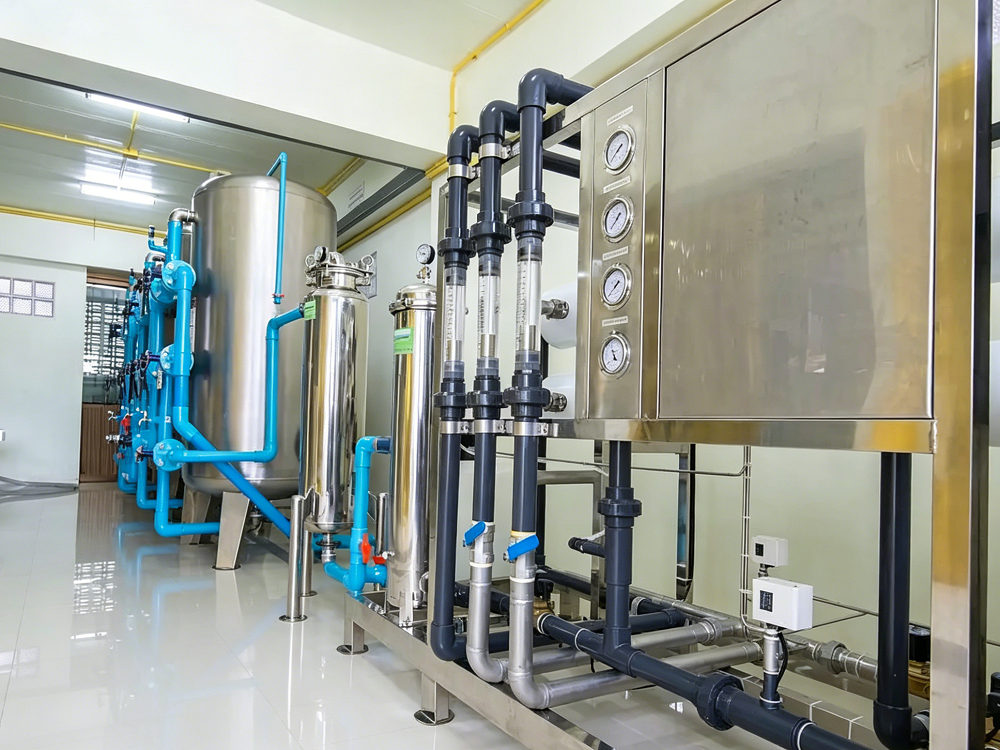
Additionally, it enables timely detection of pipeline blockages and leakage faults.
When used in combination, these two technologies not only enhance the precision and yield rate of finished steel products but also achieve water and energy savings, reduce material waste, and lower production and operational costs, thereby comprehensively empowering the steel industry toward intelligent, refined, and sustainable production.