English


In PCB wet process lines, stable liquid flow is directly connected to process quality. Development, etching, electroplating, rinsing, solder mask application, and chemical circulation all depend on controlled delivery of chemical solutions, pure water, flux, and recirculation fluids. When the flow rate is unstable, the result may be uneven chemical contact, poor rinsing efficiency, inconsistent copper plating, or unnecessary chemical waste.
Selecting a PCB flow meter is not only about choosing a measuring device. It is about matching the right flow meter technology with the liquid type, pipe size, flow range, accuracy requirement, installation method, and maintenance conditions of the wet process line. Kingspray provides industrial flow meter options for PCB and related wet processing applications, including ultrasonic flow meter, paddle wheel flow meter, and rotameter flow meter.
Why a PCB Flow Meter Is Important for Wet Process Control
A PCB flow meter helps operators monitor whether liquid delivery stays within the required operating range. In PCB manufacturing, chemicals and water are not simply transported from one point to another. They must reach the board surface with the right volume, pressure, and consistency. This is especially important in etching, electroplating, and rinsing, where small flow changes can affect surface treatment and final product reliability.
Flow meters and nozzles often work together in PCB wet process equipment. The flow meter monitors liquid delivery, while the nozzle controls spray coverage, atomizing performance, or direct spraying. If upstream flow is unstable, even a well-designed nozzle may fail to maintain uniform chemical distribution across the board surface. This is why flow control should be reviewed together with spray performance, pump selection, tank circulation, and pipeline layout.
How to Match the Flow Meter Type to PCB Wet Process Lines
Different areas of a PCB factory may require different flow meter technologies. A simple visual meter may be enough for local inspection, while a larger circulation line may require a non-intrusive flow meter with lower maintenance needs. Buyers should avoid selecting one flow meter type for every position without considering the actual process environment.
| Flow meter type | Key characteristics | Suitable PCB wet process use | Selection note |
|---|---|---|---|
| Ultrasonic flow meter | Clamp-on, non-intrusive design, no moving parts, accuracy about +/-0.5-1% | Clean, corrosive, or abrasive liquids in larger pipelines | Suitable when buyers want to reduce direct liquid contact and maintenance work |
| Paddle wheel flow meter | Compact structure, easy installation, affordable cost, accuracy about +/-1-2% | Low-viscosity liquids such as water and common process chemicals | Suitable for small pipelines, but mechanical wear should be considered |
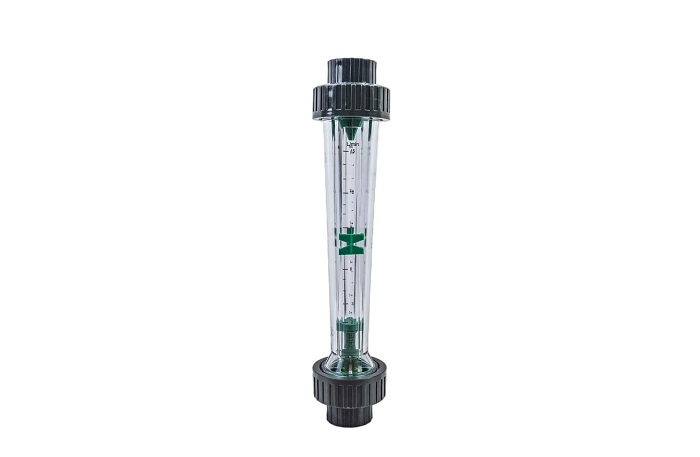
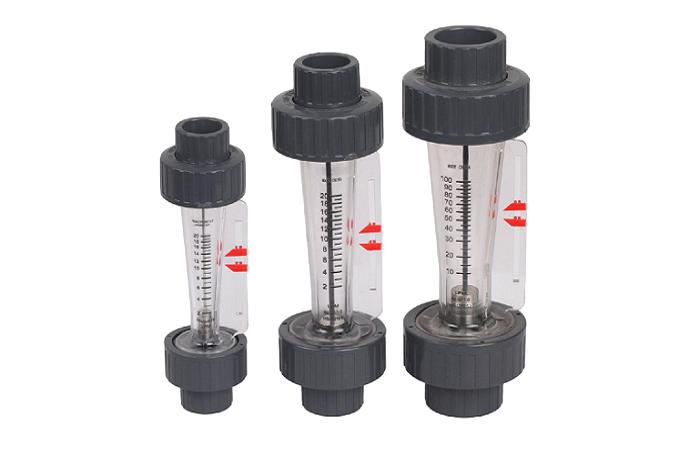
| Rotameter flow meter | Visual float-based measurement, no power required, accuracy about +/-2-5% | Transparent fluids, low-pressure systems, and local operator-side monitoring | Suitable when direct visual flow confirmation is more important than signal output |
For a PCB wet process flow meter, the best option depends on the measurement purpose. Ultrasonic flow meters are often considered for non-intrusive monitoring. Paddle wheel flow meters are practical for compact and cost-sensitive liquid lines. Rotameter flow meters are useful when operators need a simple reading at the machine side.
When to Use a Rotameter Flow Meter in PCB Manufacturing
A rotameter flow meter is suitable for areas where operators need quick visual confirmation of liquid flow. It does not require power, and the float position allows users to see whether the flow is within a normal range. In PCB wet process lines, this can be useful for transparent fluids, low-pressure sections, laboratory equipment, or local branch lines.
An lpm rotameter is especially helpful when the operating team needs to read flow in liters per minute. However, buyers should not select a rotameter only by pipe size. The scale range must match the actual minimum and maximum flow rate. If the normal operating point is too close to the bottom or top of the scale, the reading may be less practical for daily control.
Rotameters are often selected for their simple structure and easy reading, but they are not suitable for every PCB process. If the line requires digital signal output, very high accuracy, or non-contact measurement, another flow meter type may be more appropriate.
When to Choose a Paddle Wheel or Ultrasonic Flow Meter
A paddle wheel flow meter can be a practical choice for low-viscosity liquids, especially where the buyer needs compact installation and a cost-effective measuring solution. It is commonly considered for water lines and some chemical delivery systems. Because it has a moving component, the liquid condition should be checked carefully. Particles, crystallization, or aggressive fluids may increase wear or affect measurement stability.
An ultrasonic flow meter is different because it can measure flow without direct contact with the liquid. The clamp-on structure is useful when the buyer wants to avoid cutting into the pipe or reduce maintenance caused by moving parts. For clean, corrosive, or abrasive liquids in larger pipelines, ultrasonic measurement can be attractive. However, the final selection should still consider pipe material, liquid condition, installation space, and required accuracy.
In many PCB factories, these flow meter types are not competitors but complementary options. A production line may use rotameters for local visual checks, paddle wheel flow meters for compact branch lines, and ultrasonic flow meters for larger circulation pipelines.
What Buyers Should Check Before Selecting a Wet Process Flow Meter
Before comparing prices, buyers should define the process conditions clearly. A flow meter used for pure water rinsing does not face the same environment as one used for etching solution, acid or alkali chemicals, or electroplating circulation. The more specific the process information is, the easier it is to choose a reliable model.
Fluid type: Confirm whether the line carries pure water, chemical solution, plating solution, flux, or recirculation liquid.
Flow range: Provide the expected minimum, normal, and maximum flow rate instead of only giving the pipe diameter.
Pipe condition: Check pipe size, pipe material, installation direction, and available straight pipe length.
Accuracy requirement: Use higher-accuracy measurement where flow changes may affect etching, plating, or chemical dosing stability.
Maintenance access: Consider whether the flow meter can be cleaned, inspected, or replaced without long production downtime.
For replacement projects, buyers should also prepare photos of the existing pipeline, current flow meter label, connection type, and installation location. For new PCB equipment, it is better to review the flow meter together with pumps, nozzles, tanks, valves, and control systems. This reduces the risk of choosing a product that measures correctly but does not fit the complete wet process layout.
How a PCB Flow Meter Supports Better Process Consistency
A flow meter does not improve PCB production by itself. Its value comes from helping operators understand and control liquid delivery. When flow data is visible, production teams can identify abnormal conditions earlier, adjust circulation more confidently, and reduce uncertainty in wet process performance.
For etching, stable flow helps maintain more consistent chemical contact. For electroplating, controlled circulation supports more predictable solution distribution. For rinsing, proper flow can improve cleaning efficiency and reduce unnecessary water consumption. In each case, the PCB flow meter becomes part of a larger quality control system.
Buyers should also consider long-term operating cost. A lower-cost meter may be acceptable for a simple visual check, but it may not be the best choice for a critical chemical line. In contrast, a non-intrusive or higher-accuracy solution may cost more at the beginning but reduce maintenance time and improve monitoring reliability in demanding positions.
Conclusion: Selecting the Right PCB Flow Meter for Wet Process Lines
Selecting a PCB flow meter should start with the process, not only the product name. Buyers need to compare ultrasonic, paddle wheel, and rotameter flow meter options based on fluid type, flow range, accuracy, installation method, and maintenance access.
Share your PCB wet process conditions with Kingspray to match the right flow meter type for stable chemical flow and reliable monitoring.