Pipeline fittings are an essential part of pipeline engineering. Their quality and performance directly affect the normal operation of the entire pipeline system. This article will introduce the basic concepts, classifications, functions, and applications of pipeline fittings in pipeline systems, helping readers better understand the importance of pipeline fittings.
Pipeline fittings refer to various fittings, valves, flanges, joints, supports, and other components used in pipeline systems.
Pipe fittings are connectors used for connecting pipes, pipes to equipment, and pipes to fittings, usually made of the same material. There are many types of pipe fittings, including elbows, tees, crosses, flanges, etc. Common materials include carbon steel, stainless steel, cast iron, and copper. Elbows are used when pipes need to bend, and tees and crosses can conveniently connect pipe branches together.
Flanges are fittings that connect two pipes or pipes into various shapes. They are named for their flat-plate shape. Flanges are usually made of steel but can also be made of other materials. Flanges are typically used to form a seal at pipe connections to prevent leakage. There are many types of flanges, but the most common are welded flanges, threaded flanges, and SO flanges.
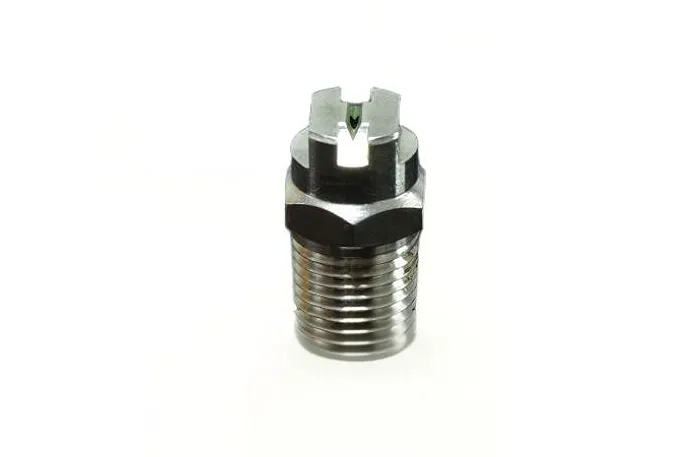
Threaded fittings are pipe fittings used to connect pipes, mainly consisting of threaded ports, smooth surfaces, and connecting pipes. They are typically made of steel and are widely used in industrial production, natural gas, petrochemical, shipbuilding, and other workshop or pipeline systems, serving as common fittings for connecting various pipe materials. These are the main types and purposes of pipe fittings. Whether in home renovations or in industry, pipe fittings are indispensable. By understanding the types and uses of pipe fittings, we can better choose suitable fittings and perform maintenance and replacement more effectively.
Pipeline fittings can also be classified in different ways. Common classifications include:
1. By purpose: Can be categorized into fittings, pipe fittings, sealants, valves, fasteners, filters, sensors, actuators, flanges, pipeline accessories, etc.
2. By material: Can be divided into cast iron, cast steel, stainless steel, non-ferrous metal, and other materials for pipeline fittings.
3. By standard: Can be categorized into national standards, non-standard, European standards, American standards, and other different standards of pipeline fittings.
Pipeline fittings play a crucial role in pipeline systems, as reflected in the following aspects:
1. Connection: Pipeline fittings enable the connection between different pipe sections, ensuring the integrity of the pipeline system.
2. Control: Control fittings, such as valves, can control the flow, pressure, and other parameters of the medium in the pipeline, ensuring the proper operation of the pipeline system.
3. Protection: Protective fittings, such as flanges and sealants, can protect the pipeline system from external environmental damage and erosion.
4. Measurement: Measurement fittings, such as sensors, can monitor parameters like temperature and pressure in the pipeline, ensuring safe operation.
Pipeline fittings are widely used in pipeline systems. Below are some typical application scenarios:
1. Building Water Supply and Drainage Systems: Various pipeline fittings like elbows, tees, valves, and faucets are needed in building water supply and drainage systems to ensure smooth and safe water flow.
2. Petrochemical Industry: The petrochemical industry requires pipeline fittings made of various materials, such as stainless steel and copper, to ensure the pipeline system is resistant to corrosion and high temperatures.
3. Power Industry: The power industry requires pipeline fittings of various standards, such as American and European standards, to ensure the pipeline system's sealing and safety.
4. Food and Pharmaceutical Industries: The food and pharmaceutical industries require sanitary-grade pipeline fittings, such as sanitary valves and sanitary fittings, to ensure the cleanliness and safety of the pipeline system.
When selecting and using pipeline fittings, the following considerations should be noted:
1. During selection: Ensure fittings meet relevant standards and specifications to guarantee quality and safety.
2. Before use: Conduct inspections and cleaning to ensure cleanliness, hygiene, and sealing integrity.
3. During use: Install and operate according to established procedures to ensure the normal operation of the pipeline system.
4. After installation: Perform regular maintenance and upkeep to ensure the longevity and safety of the fittings.
In summary, pipe fittings are indispensable components in pipeline engineering. Their quality and performance directly impact the proper functioning of the entire pipeline system. Therefore, when selecting and using pipe fittings, it is essential to ensure they meet standards and specifications for quality and safety. Additionally, installation and operation must follow procedures, coupled with regular maintenance and upkeep, to ensure the normal operation and safety of the pipeline system.

 English