English


Flow Meters and Nozzles For Medical Care
What is dialysis (kidney purification)? What are the types of dialysis, and what is the current prevalence of dialysis patients in China?
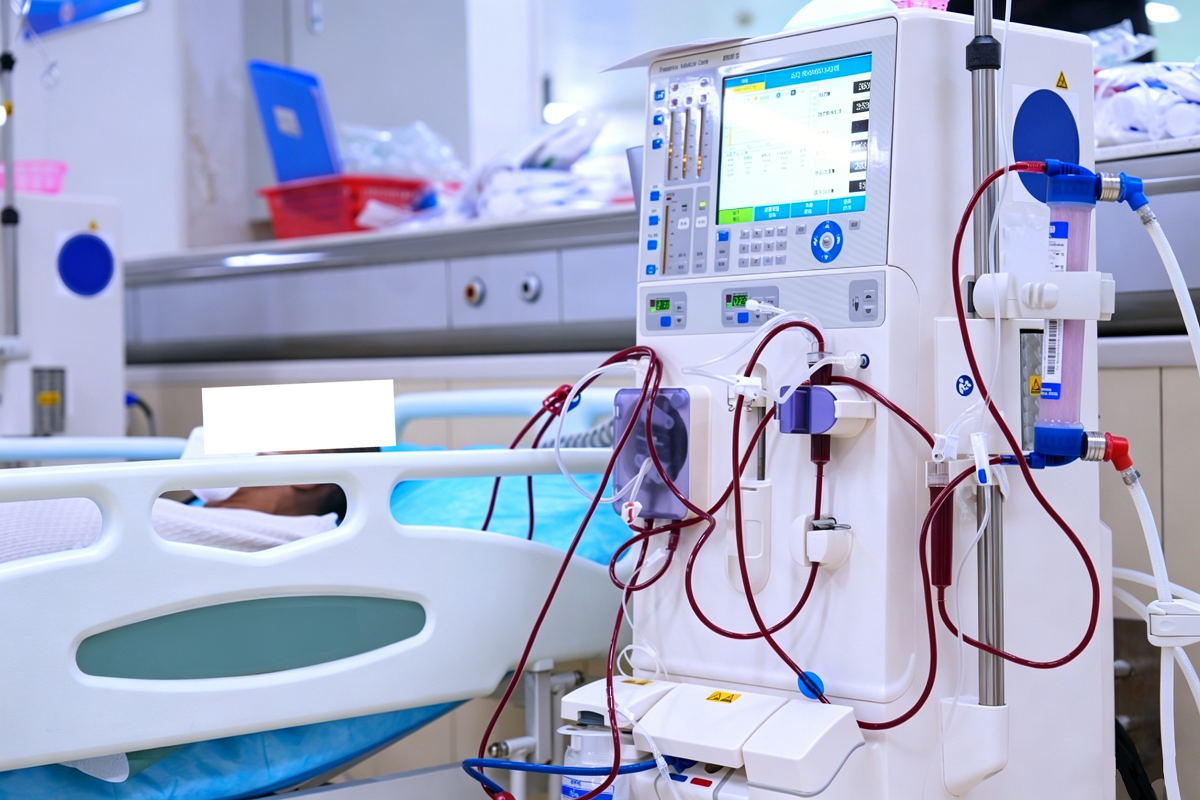
Dialysis, commonly referred to as renal replacement therapy, is a treatment modality for renal failure. It relies on the principles of semipermeable membrane diffusion and ultrafiltration to remove toxins such as creatinine and urea, as well as excess water from the blood, while regulating electrolyte balance in the body and prolonging survival in patients with uremia. However, dialysis only replaces the kidney's detoxification function and cannot repair damaged renal tissue.
The main approaches are divided into two categories: hemodialysis and peritoneal dialysis. Hemodialysis utilizes the body's extracorporeal circulation, performed three times weekly for four hours each session in medical facilities, offering high toxin clearance efficiency. Peritoneal dialysis employs the patient's own peritoneal membrane as a filter, with dialysate exchange at home, providing gentle protection for residual renal function and is suitable for individuals with cardiovascular instability or limited mobility. Subspecialized modalities include auxiliary purification methods such as hemodiafiltration and hemoperfusion.
According to authoritative medical data as of 2025, the total number of regular dialysis patients nationwide has exceeded 1.3 million, including 1.137 million undergoing hemodialysis and 162,000 undergoing peritoneal dialysis, ranking first globally in scale. The annual increase in patients exceeds 100,000, with an average age exceeding 60 years, primarily attributed to diabetes and hypertensive nephropathy. There are nearly 10,000 dialysis centers domestically, yet regional resource distribution remains uneven, and the penetration rate of home-based peritoneal dialysis still has significant room for improvement.
In-depth Science Explanation: Can Renal Replacement Therapy Be Interminated? How to Early Protect Kidneys and Prevent Dialysis in Patients with Hypertension, Hyperlipidemia, Hyperglycemia, or Kidney Disease
Dialysis should not be discontinued arbitrarily. Following renal failure, the body's intrinsic detoxification capacity is essentially lost; interruption of treatment can lead to significant accumulation of creatinine, urea, and fluid, potentially triggering heart failure, hyperkalemia, or pulmonary edema within a short period, which may become life-threatening in severe cases. Unauthorized prolongation of dialysis intervals may further compromise cardiovascular and cerebrovascular health, accelerating the progression of complications. Frequency adjustments should only be made temporarily upon physician evaluation, and dialysis must never be discontinued without medical supervision.
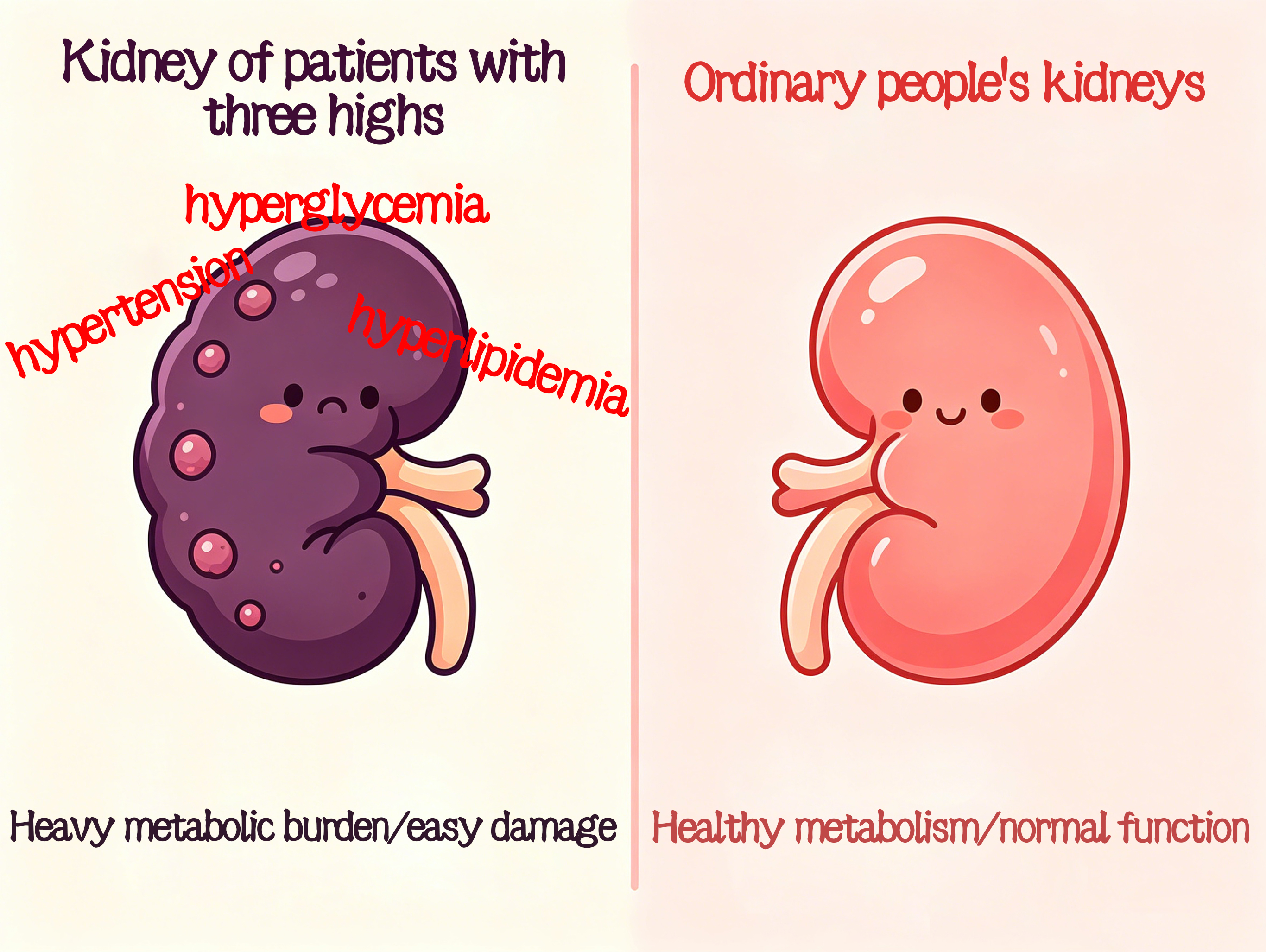
The three highs (hypertension, hyperglycemia, and hyperlipidemia) are the primary precipitating factors for uremia, and strict control of these parameters is fundamental to kidney protection. Patients with hypertension should maintain stable blood pressure over the long term to prevent sustained damage to renal arterioles from high pressure; diabetic patients require stringent management of blood glucose and glycated hemoglobin levels to reduce renal microvascular complications; individuals with hyperlipidemia should adhere to a low-fat diet to mitigate the risk of renal vascular sclerosis.
For daily kidney care, regular urinalysis and renal function tests should be performed. Avoid using unverified pain-relief remedies or health supplements, and reduce intake of nephrotoxic medications. Maintain a low-salt, light diet, control excessive protein consumption, engage in moderate physical activity, avoid urine retention, and refrain from staying up late. Early symptoms of kidney disease are often subtle; individuals with hypertension, hyperlipidemia, or hyperglycemia should undergo annual kidney screening to enable early intervention, delay renal function decline, and minimize the risk of progressing to dialysis requirements.
Comprehensive analysis of the entire hemodialysis treatment process and the operational principle of blood filtration during dialysis
Hemodialysis relies on three fundamental principles—diffusion, convection, and ultrafiltration—of semipermeable membranes to replace impaired kidneys in facilitating the metabolism of toxins and fluids. During treatment, healthcare providers connect a dialysis catheter to the patient's vascular access site, where blood is drawn from the body by a dialysis pump and circulated through a dialyzer. The dialyzer is filled with hollow fiber semipermeable membranes, while a carefully formulated dialysate flows simultaneously outside the membrane.
Under diffusion, small-molecule toxins such as urea, creatinine, and potassium ions in the blood cross the membrane along concentration gradients into the dialysate and are removed. Ultrafiltration utilizes pressure differences to filter out excess water from the blood, alleviating edema and heart failure. Convection eliminates medium-and large-molecule toxins, reducing complications such as skin pruritus and joint pain. The purified blood is then returned to the body via tubing, completing the purification cycle repeatedly.
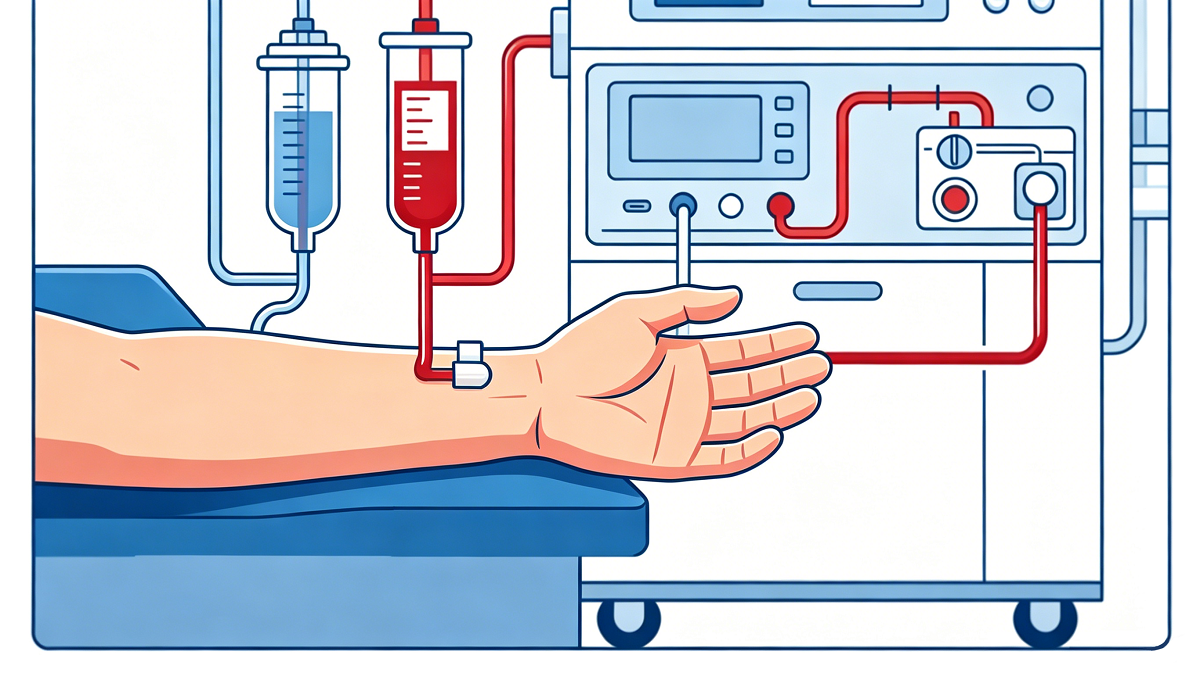
The complete procedure consists of four steps: preoperative assessment, vascular puncture for blood collection, 4-hour continuous dialysis, and blood return with catheter removal. Real-time flow rate and pressure monitoring devices are employed throughout the process to regulate blood flow velocity and dialysate flow rate, ensuring stable filtration. A single dialysis session only removes most toxins from the body but cannot repair kidney function; regular periodic treatment is required to maintain electrolyte and fluid balance in the body.
Control of pure water preparation throughout the entire dialysis process: How can water treatment equipment reduce the risk of dialysis complications?
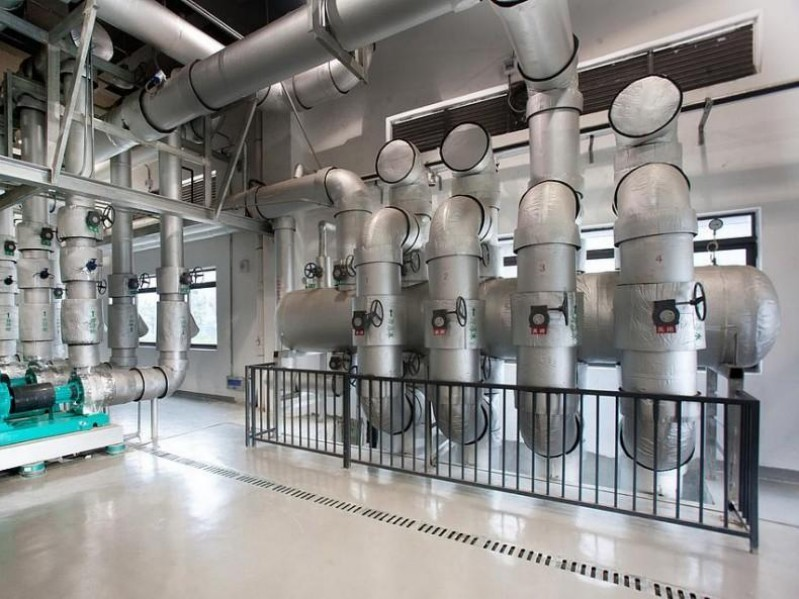
Dialysis water comes into direct contact with patient blood. Heavy metals, microorganisms, endotoxins, and calcium/magnesium ions in the raw water may induce dialysis-related complications such as pruritus, anemia, bone pain, and fever. Specialized pure water systems serve as the fundamental safety requirement. The entire system employs a combined process of multi-stage filtration, reverse osmosis, EDI (Electrodeionization), and ultraviolet disinfection to progressively remove impurities, producing dialysis-grade pure water that meets medical standards.
The entire process utilizes flow meters to control water flow at each stage: the raw water inlet flow meter stabilizes the inflow load and protects the filter membrane; the pretreatment dosing pipeline precisely measures chemical dosages to reduce chlorine and heavy metals; dual flow meters for reverse osmosis product water and concentrate monitor membrane performance, enabling timely detection of membrane damage or leakage to prevent substandard water from entering the dialyzer; the terminal product water flow meter continuously records supply flow rates to ensure stable water supply at the dialysis station.
Water treatment systems are equipped with recirculation pipelines to maintain continuous flow of water, thereby inhibiting bacterial proliferation, and filter media undergo periodic backwashing for disinfection. Through precise flow control and multi-stage purification, the system strictly regulates water quality parameters including ion concentration, bacterial levels, and endotoxin content, preventing contaminants from entering the human body via dialysate. This significantly reduces complications such as pruritus, hypertension, and chronic inflammation, ensuring therapeutic safety for long-term dialysis patients.
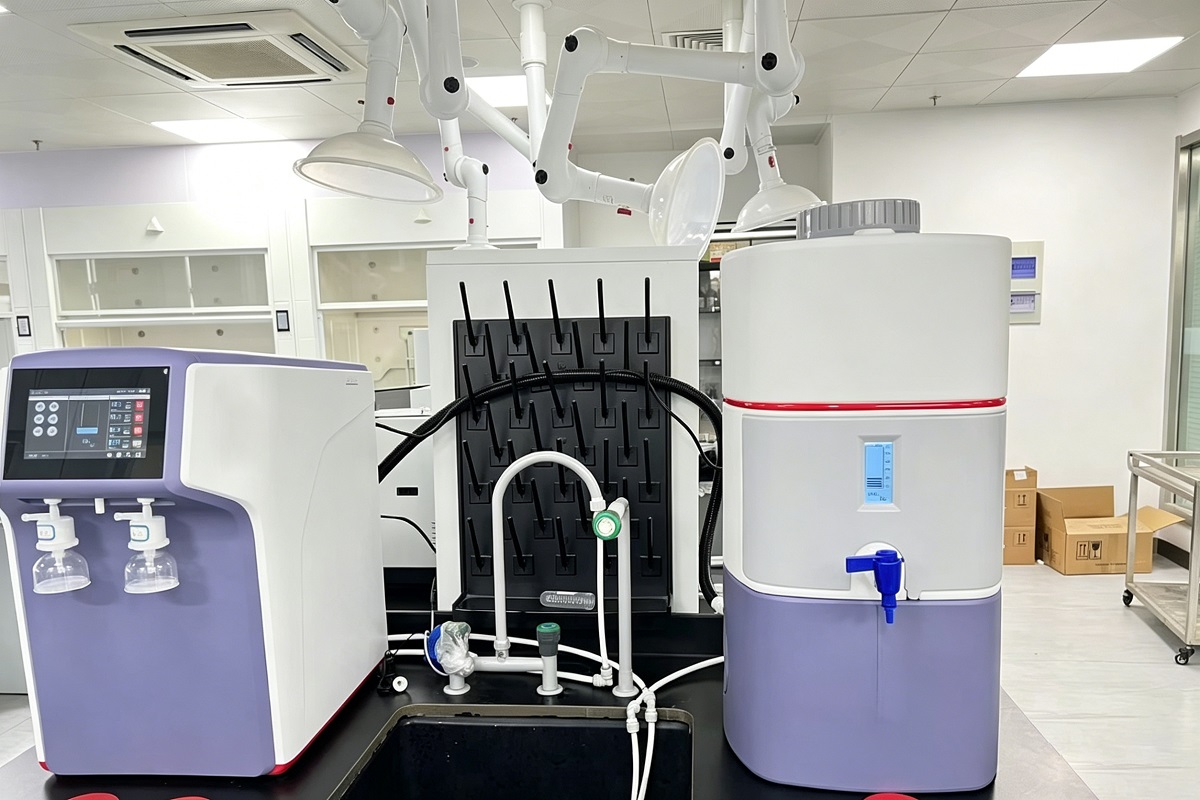
How is dialysis ultrapure water produced? A comprehensive guide to the preparation steps of dialysate formulation and terminal sterilization ultrafiltration systems
Dialysis ultrapure water is produced using municipal tap water as the feedwater, which must undergo multi-stage purification to meet quality standards before use. The pretreatment process involves sand filtration, activated carbon treatment, and security filters to remove sediment, residual chlorine, and suspended solids; followed by primary and secondary reverse osmosis stages to eliminate heavy metals and calcium/magnesium ions while reducing water hardness. Combined with EDI (Electrodeionization) for thorough ion removal, this process yields dialysis pure water with compliant conductivity levels. Flow meters monitor both concentrate and product water flows throughout the system to prevent membrane failure and excessive effluent parameters.
Pure water is fed into the solution preparation system to prepare dialysate by mixing concentrated dialysate with ultrapure water according to standard ratios, with automatic dosage control ensuring stable electrolyte concentration tailored to patients' electrolyte balance requirements. Upon completion of preparation, the solution is circulated through the pipeline and delivered to the front end of the dialyzer.
The terminal is equipped with an antibacterial ultrafiltration device as the final barrier, where the ultrafiltration membrane retains bacteria, endotoxins, and microorganisms to prevent contaminants from entering the dialyzer. The pipeline system incorporates continuous ultraviolet sterilization and periodic thermal disinfection. The entire process features multi-stage purification, strictly controlling microbial and ion concentration levels in the water to avoid dialysis-related complications such as pyrogenic reactions, skin itching, and bone disorders, thereby ensuring the safety of hemodialysis therapy.
Digital advantages of ultrasonic flowmeters: Enabling water treatment equipment manufacturers to achieve fully automated data acquisition and cloud-based transmission and management.
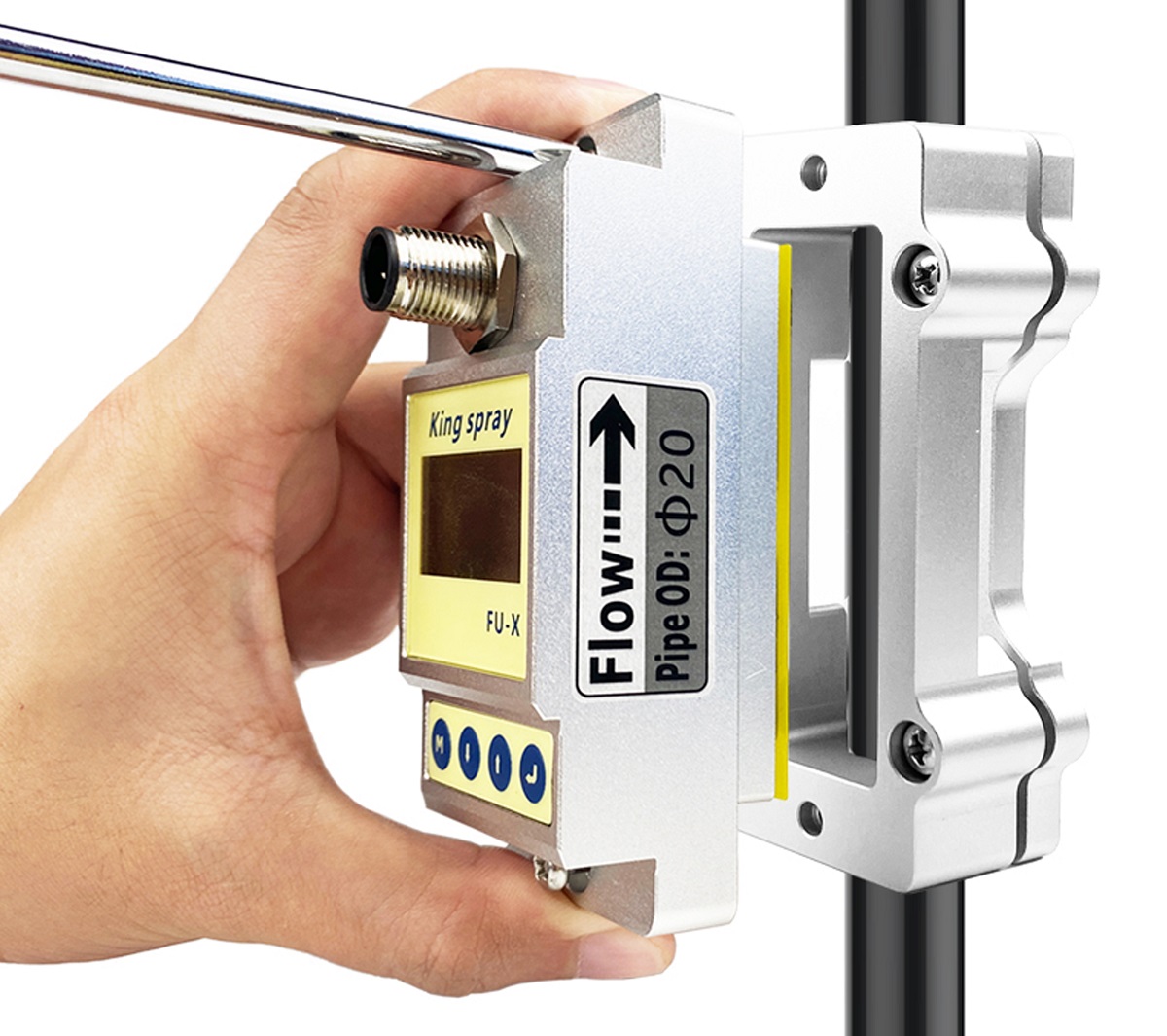
The ultrasonic flowmeter requires no contact with the medium and causes no pressure loss. When paired with a digital module, it serves as a core component for the intelligent upgrade of water treatment systems. It continuously and automatically collects multiple data sets—including raw water flow rate, product water flow rate, concentrate reflux rate, and chemical dosing flow rate—24/7, eliminating the need for manual meter reading. The device ensures stable measurement accuracy and is resistant to corrosion by acidic, alkaline, pure water, or wastewater media, making it suitable for all applications involving dialysis pure water, industrial wastewater, and electroplating water treatment.
The device is equipped with RS485 and 4G communication interfaces, enabling real-time cloud upload of collected data such as flow rates, cumulative water consumption, and abnormal alarm information. The manufacturer's backend system allows remote monitoring of the entire water treatment unit's operational status, detecting reverse osmosis membrane blockages or pipeline leaks by analyzing the concentrate-to-flux ratio, with automatic alerts triggered for flow anomalies.
Leveraging cloud-based data, manufacturers can perform remote equipment maintenance, monitor production capacity, predict consumable replacement cycles, and generate compliance reports on water quality and quantity for customers, meeting environmental protection and medical monitoring requirements. Digital flow control reduces on-site maintenance costs, enabling water treatment equipment manufacturers to develop fully automated, remotely manageable integrated smart water treatment systems and enhance product market competitiveness.