In modern industrial processes, accurate measurement is the foundation of efficiency and safety. A flow meter provides data about the volume or velocity of a liquid, which directly affects system performance, chemical dosing accuracy, and resource management. Different applications, such as semiconductor production, environmental protection, water treatment, and PCB manufacturing, require highly reliable flow measurement solutions. With nearly 20 years of expertise, kingspray has established itself as a professional flow meter manufacturer offering products designed to meet corrosion resistance challenges and the demands of diverse industries. Selecting the right device depends on both technical requirements and fluid properties.
Key Considerations in Flow Meter Selection
The first step in choosing a suitable flow meter is to analyze the characteristics of the liquid being measured. Clean water, chemical agents, and viscous liquids all behave differently under measurement. The operating environment also matters—corrosive media, high temperature, or ultra-pure conditions require different levels of material durability and design precision. Another factor is maintenance: some meters have moving parts that require regular servicing, while others are designed for long-term stability with minimal intervention. Understanding these variables ensures that the choice of flow meter aligns with operational goals.
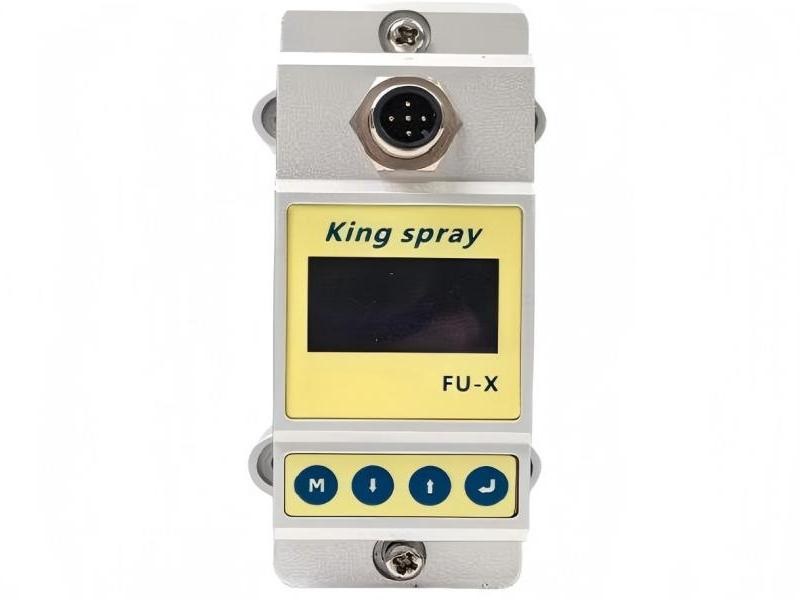
Ultrasonic flow meters are widely used for their non-invasive design. By transmitting sound waves through the fluid, they calculate flow velocity based on time differences between signals. Since they do not rely on moving parts or contact with the fluid, ultrasonic meters are highly durable and resistant to chemical corrosion. This makes them particularly effective for ultrapure liquids and aggressive chemical solutions. While the initial investment can be higher, their reliability and low maintenance needs reduce lifecycle costs. For industries that prioritize precision and hygiene, ultrasonic meters provide significant advantages and remain a popular choice recommended by advanced flow meter manufacturer expertise such as Kingspray.
Paddle wheel flow meters, with their mechanical design, are often chosen for projects where cost efficiency and straightforward installation are priorities. They are ideal for irrigation systems, general water supply, and light chemical applications. However, they require consistent maintenance due to moving components. On the other hand, rotary piston flow meters, also called positive displacement meters, deliver unmatched accuracy by trapping a fixed volume of liquid and measuring it repeatedly. They are often used in industries where precision dosing is critical, such as pharmaceutical production or specialty chemical processes. While rotary piston designs demand higher investment and maintenance, their precision makes them indispensable in sensitive operations.
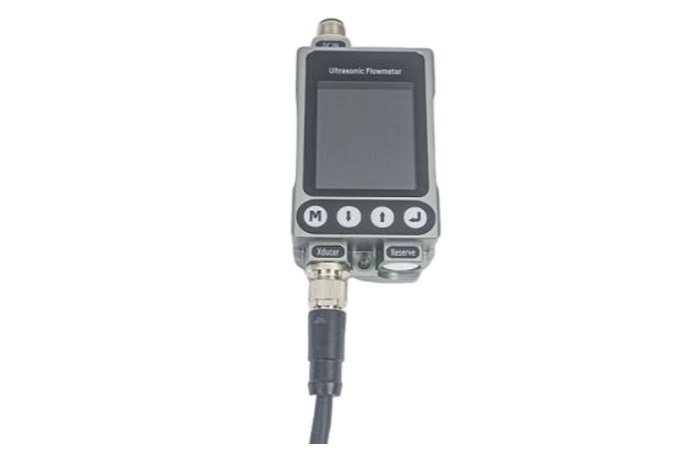
When choosing the right flow meter, comparing different technologies helps clarify which design is most suitable. Each type offers unique strengths and trade-offs:
Feature | Rotary Piston Flow Meter | ||
Measurement Principle | Sound wave transmission | Mechanical wheel rotation | Positive displacement |
Accuracy | High, non-invasive | Moderate, depends on liquid quality | Very high, precise dosing |
Maintenance | Minimal, no moving parts | Regular, moving parts wear | Periodic, requires inspection |
Best for Fluids | Corrosive or ultrapure liquids | Clean, low-viscosity liquids | Viscous fluids and dosing |
Cost Level | Higher initial cost | Budget-friendly | Higher due to precision components |
Common Applications | Water treatment, chemicals, semiconductors | Irrigation, clean water systems, light chemicals | Pharmaceuticals, food production, specialty dosing |
This comparison illustrates that no single solution is universally best. Instead, the selection depends on the specific application, the nature of the fluid, and the desired balance between cost and performance.

 English