In industries where precision fluid measurement is essential, the flow meter plays an irreplaceable role. Whether in semiconductor manufacturing, environmental protection, PCB production, or water treatment, accurate flow measurement ensures consistent product quality, reduces waste, and improves operational safety. Guangdong Mid-Crown Fluid Technology Co., Ltd., through its Kingspray brand, has spent nearly two decades developing corrosion-resistant flow meter solutions tailored to the unique challenges of handling chemical agents. Among the many types available, ultrasonic, turbine, and rotameter flow meters stand out as three widely used designs, each offering unique advantages for specific applications.
A flowmeter measures the volume or velocity of a liquid or gas passing through a pipeline or system. This data is critical for process control, regulatory compliance, and efficiency optimization. In chemical processing, precise flow measurements help ensure correct dosing of additives, preventing costly errors. In water treatment, flow meters track inflow and outflow volumes to maintain balance and meet environmental standards. For semiconductor and PCB manufacturing, where even minor deviations can impact final product quality, flow meters provide the consistent measurement necessary for precision processes.
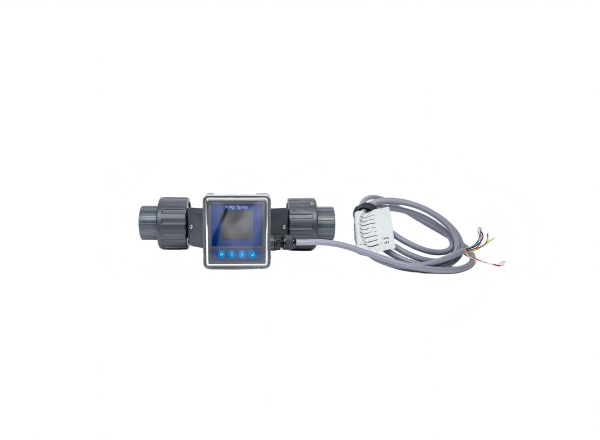
Ultrasonic flow meters use sound waves to measure the velocity of a fluid, and because they do not require contact with the fluid, they are ideal for applications where contamination or corrosion is a concern. These meters are well-suited for high-purity water systems, corrosive chemicals, or fluids with suspended particles. They offer excellent accuracy and minimal maintenance requirements, making them a long-term investment for facilities that demand reliability.
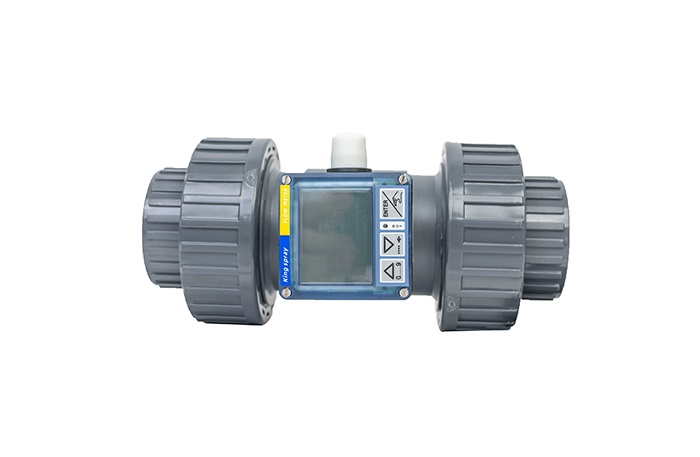
Turbine flow meters rely on the mechanical movement of a rotor placed in the flow path. As the fluid moves through, it spins the rotor, and the rotational speed correlates directly to the flow rate. This design offers excellent accuracy for clean, low-viscosity fluids such as water, light oils, and solvents. Turbine flow meters are valued for their relatively low cost, straightforward installation, and reliable performance, especially in applications where fluid quality is consistent and maintenance is manageable.
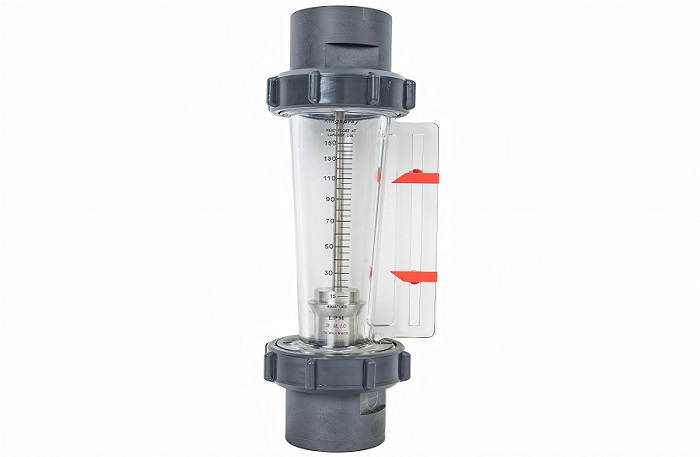
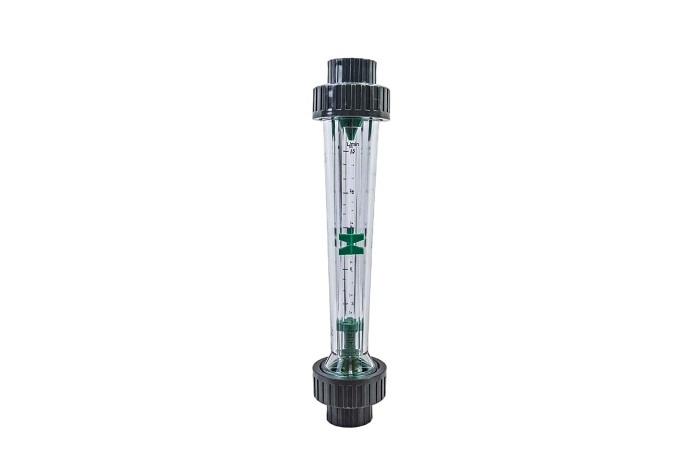
A rotameter consists of a float inside a tapered tube, where the float rises and falls according to the flow rate. The position of the float is read against a scale, offering a simple visual measurement. Rotameters require no external power source and are often used in laboratory or low-flow applications. While they may not offer the same level of precision as ultrasonic or turbine flow meters, their simplicity, cost-effectiveness, and ease of use make them a practical choice for certain industrial and testing environments.
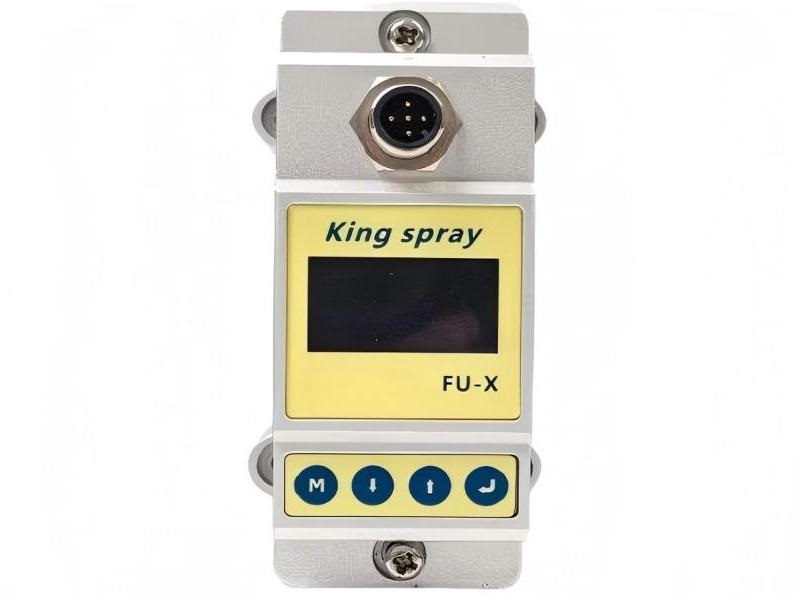
To select the most suitable flow meter for an application, it's essential to understand the strengths and limitations of each type.
Flow Meter Type | Measurement Principle | Advantages | Limitations |
Ultrasonic | Uses sound waves to measure flow velocity without direct contact | Non-intrusive, corrosion-resistant, high accuracy | Higher initial cost, requires skilled setup |
Turbine | Mechanical rotor measures flow rate | High accuracy for clean fluids, cost-effective | Moving parts subject to wear, not ideal for dirty fluids |
Rotameter | Float in a tapered tube rises with flow rate | Simple, visual reading, no power required | Lower accuracy, not ideal for high-viscosity or opaque fluids |
From this comparison, it's clear that ultrasonic flow meters excel in high-purity and corrosive environments, turbine meters are best for clean and consistent fluids, and rotameters offer simplicity where precision is less critical.

 English


(2)H.webp "A-554 PP/PVDF Nozzle")