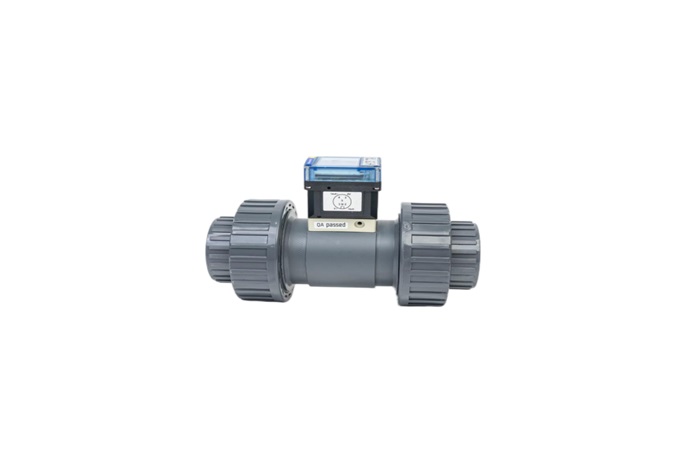
A paddle wheel flow meter operates on a simple yet effective principle: the rotation of a paddle wheel immersed in flowing fluid is proportional to the velocity of that fluid. As fluid passes through the meter housing, it causes the wheel to spin, and a magnetic or optical sensor detects each rotation, converting pulses into a volumetric flow rate. Because of its mechanical simplicity and direct measurement, the paddle wheel flow meter provides reliable readings for clean, low to medium viscosity fluids.
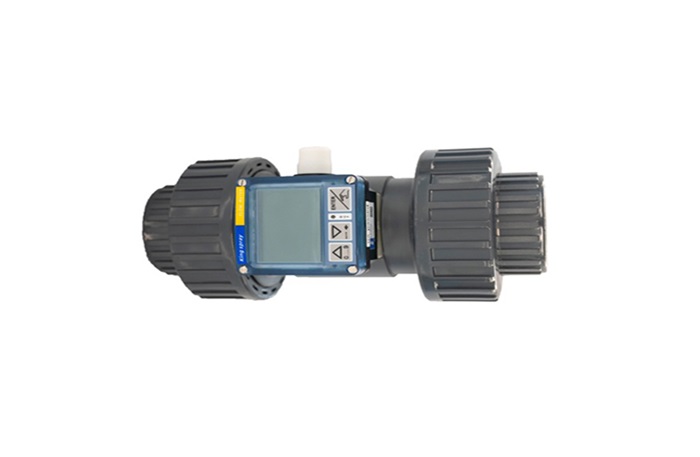
Correct installation of a paddle wheel flow meter is vital to ensure measurement accuracy and long-term stability. The meter must be installed in a straight section of pipe, with sufficient upstream and downstream straight runs to allow flow to stabilize before reaching the paddle. Avoid placing elbows, valves, or turbulence-inducing fittings immediately adjacent to the meter, as these disrupt the flow profile and may cause erratic wheel rotation. The axis of the paddle wheel should be horizontal so that gravity does not bias its movement, unless the meter is specifically designed for vertical flow use.
The pipe must be fully filled—no bubbles or air pockets—so that the wheel is always immersed. Proper sealing and alignment of the meter body in the pipeline prevent misalignment or leaks that could interfere with the wheel or sensor housing. In conditions where the fluid may carry particles, an upstream filter or strainer is recommended to protect the paddle wheel from foreign object impact or abrasion.
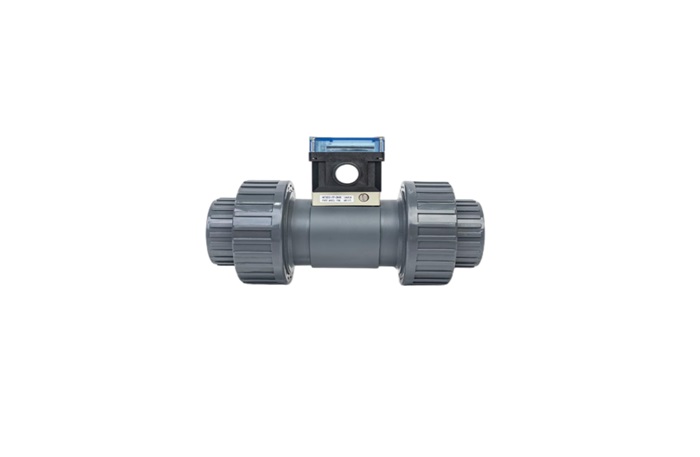
Among paddle wheel flow meter manufacturers, Kingspray stands out due to its focus on precision, customization, and integrated production capabilities. Because Kingspray controls mold design, sensor calibration, electronics, and materials internally, their paddle wheel flow meter products benefit from tight quality control and performance consistency. The ability to calibrate for specific fluid properties—density, viscosity, temperature—ensures that each paddle wheel flow meter is matched to its intended fluid environment, reducing measurement error.
Among flow meter suppliers, Kingspray's experience in the flow meter industry and its testing facilities support careful validation of each instrument before leaving the factory. This results in a more dependable product with less drift and more stability across a broad range of operating conditions compared to off-the-shelf units from less integrated manufacturers.
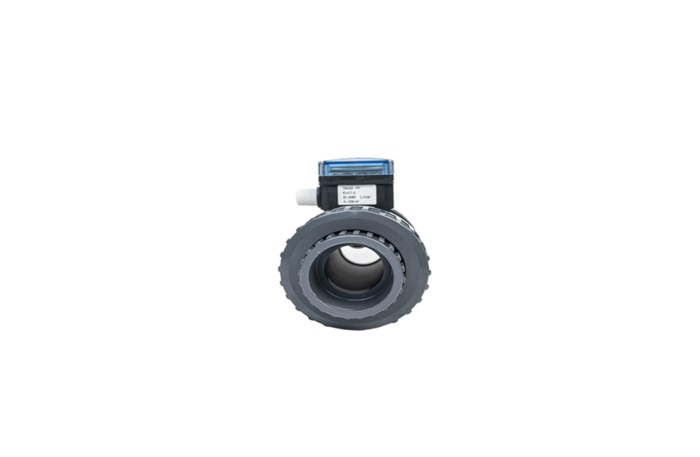
Even a well-manufactured paddle wheel flow meter requires careful operation and occasional troubleshooting to maintain optimal performance. Over time, mineral deposits or biofilm may accumulate on the paddle or housing, increasing resistance to rotation and skewing readings; periodic cleaning is necessary in susceptible environments. Sensor alignment must remain intact—any displacement or loosening can lead to erratic pulse counts or signal loss. In low flow situations, the paddle wheel may not rotate reliably; be sure the meter's lower flow limit is suitable for your system.
Similarly, high velocities can exceed mechanical limits, causing wear or damage. If turbulence is suspected, installing flow straighteners or extended pipe runs can restore stable laminar flow. Regular calibration checks against a reference standard help detect drift or degradation over time. For systems with suspended solids, a screen or bypass may reduce exposure of the paddle to abrasive particles. In harsh chemical environments, choosing compatible paddle and housing materials is critical to prevent degradation or interference with sensing elements.
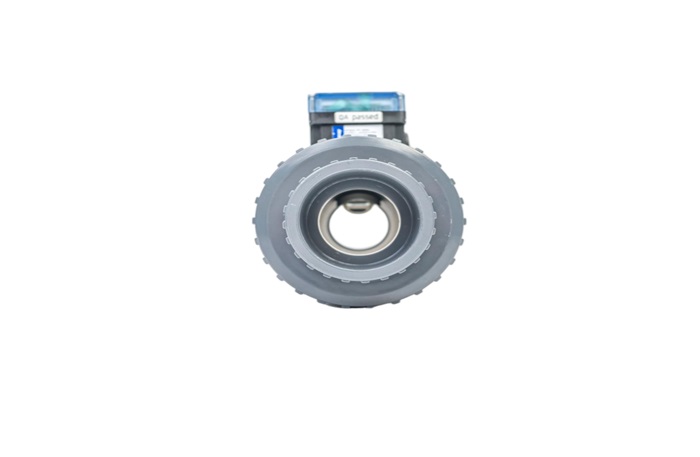
To extract full value from a paddle wheel flow meter from Kingspray, adhere to best practices in system integration and monitoring. Begin by selecting a model whose flow and pipe size range comfortably envelop the expected operating conditions. Request a calibration certificate or fluid-specific tuning so that the meter output is directly usable. During commissioning, verify that the meter's reading aligns with a reference meter under multiple flow points.
Over its service life, maintain periodic inspections, cleaning, and calibration verification to prevent drift. Use surge protection and proper wiring techniques to keep the sensor electronics safe from noise or voltage transients. Because Kingspray's manufacturing includes precise sensor and housing design, you benefit from a more robust, stable meter with lower maintenance demands. In a well-designed loop, a paddle wheel flow meter from Kingspray offers reliable, real-time flow monitoring and control in water systems, industrial processes, HVAC loops, and fluid transport lines.

 English


.webp "Kingspray-F10 Rotameter, 1/2 Inch Pipe Size, 0.1-1.0 LPM to 2.0-20 LPM-F10")

