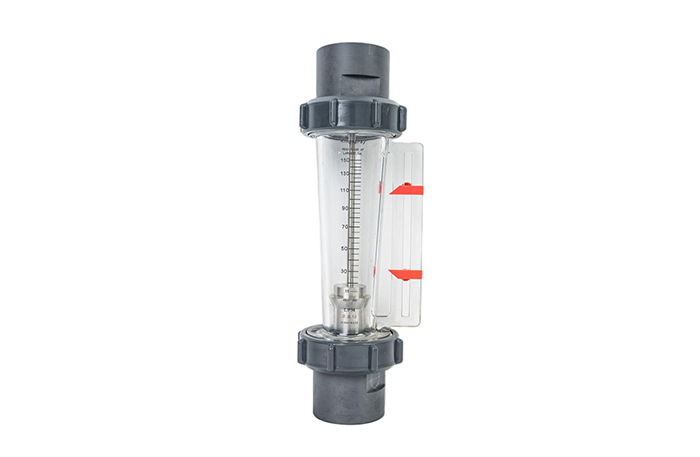
Even if you have a preferred or already used flow meter, we recommend providing us with detailed operating conditions. Our professional Kingspray engineers will provide you with the most suitable model recommendations and technical solutions.
Fluid Type: First, determine whether it is a liquid, gas, or steam. For example, for liquids like water and oil, different liquid properties (such as viscosity and corrosiveness) will affect the selection of the Kingspray fluid flow meter. Water has low viscosity, so electromagnetic flow meters or turbine flow meters may be more suitable; while for high-viscosity oil, volumetric flow meters may be more accurate. For gases such as natural gas and compressed air, vortex flow meters and thermal mass flow meters can be used for measurement. For steam, vortex flow meters or differential pressure flow meters are generally used.
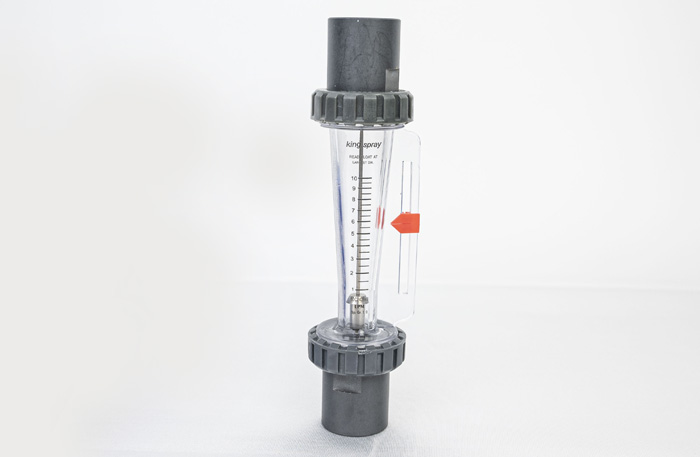
2. Flow Range: Determine the minimum and maximum flow rates. This is one of the key factors in selecting a flow meter. For example, if the liquid flow rate in a factory's pipeline varies between 1 and 10 cubic meters per hour, a flow meter that can cover this flow range and has high accuracy within this range should be selected. If the flow rate range is wide, such as from 0.1 cubic meters per hour to 100 cubic meters per hour, a flow meter with a large range ratio may be required, such as an electromagnetic flow meter, whose range ratio can reach 100:1 or even higher.
3. Pipe Size: The inner diameter of the pipe will limit the selection of the flow meter. Generally, the ultrasonic pipe flow meter diameter should match the pipe diameter or be connected through a suitable reducer. For example, for large-diameter pipes (e.g., diameter greater than 500 mm), an insertion flow meter (e.g., insertion vortex flow meter) may be an economical and practical choice; while for small-diameter pipes (e.g., diameter less than 50 mm), a float flow meter or a miniature turbine flow meter may be more suitable.
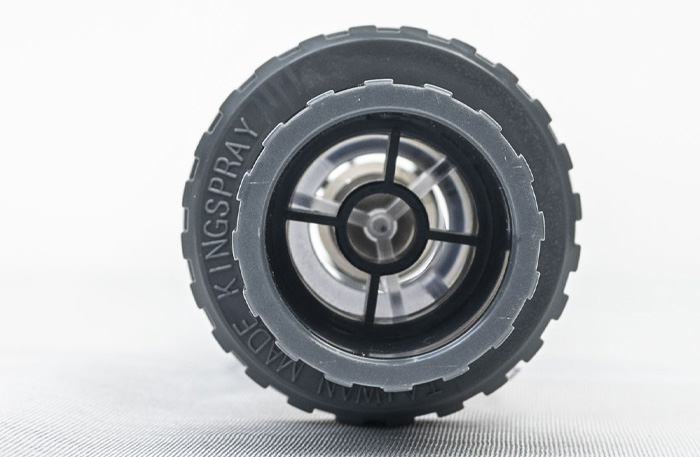
4. Operating Pressure and Temperature: Different Kingspray flow meters have different pressure and temperature tolerance ranges. In high-temperature and high-pressure conditions, such as high-temperature oil pipelines in oil refineries (temperatures may reach over 300℃ and pressures over 10MPa), Kingspray flow meters capable of withstanding such high temperatures and pressures must be selected, such as metal-tube Kingspray float flow meters or specially designed differential pressure flow meters. For low-temperature and low-pressure conditions, such as cryogenic liquid transport pipelines in some food processing industries, ordinary plastic Kingspray flow meters (such as plastic turbine flow meters) may be sufficient.
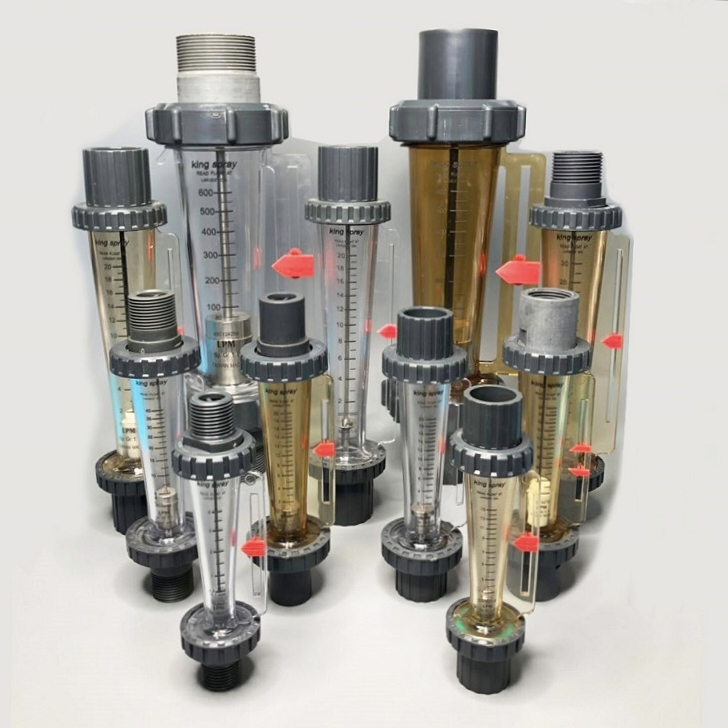
Accuracy Requirements: For trade settlements or high-precision experimental applications, high flow measurement accuracy is required, such as the metering of natural gas trade transactions, where accuracy requirements are typically ±0.5% or even higher. In such cases, mass flow meters or high-precision turbine flow meters are better choices. For some industrial process control where accuracy requirements are not particularly high, such as approximate flow monitoring in wastewater treatment plants, electromagnetic flow meters with an accuracy of ±2% - ±5% are sufficient.
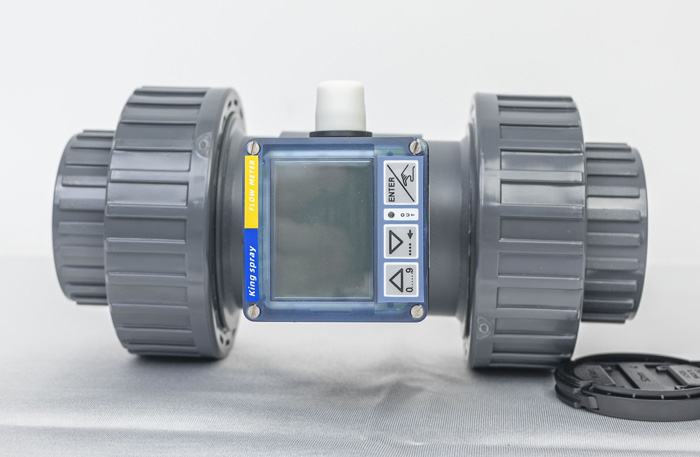
2.Repeatability: Repeatability refers to the degree of deviation when a flow meter by the professional flow meter manufacturer measures the same flow rate multiple times under the same conditions. In some automated production lines, good repeatability is required to ensure stable product quality. For example, in chemical production, the repeatability of the flow meter for raw material flow control is required to be between ±0.1% and ±0.2% to ensure accurate raw material ratios for each reaction. Vortex flow meters and mass flow meters perform well in this regard.
3.Response Time: For applications requiring rapid response to flow changes, such as water flow monitoring in fire protection systems or fast-reacting chemical processes, a short response time is necessary. For example, thermal mass flow meters can achieve millisecond-level response times, enabling rapid detection of flow changes and timely adjustment of the system's operating status.
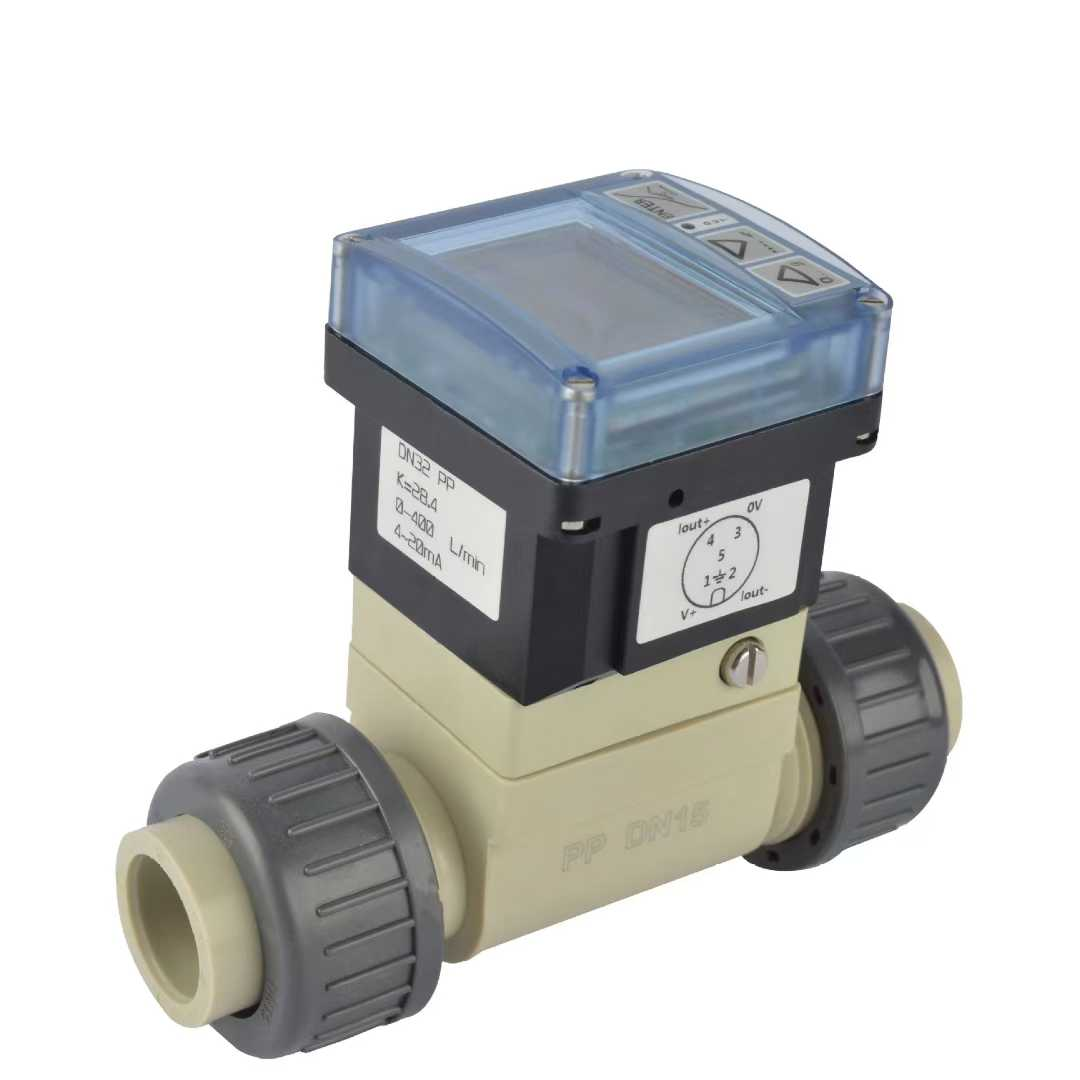
1.Installation Space and Orientation: Some flow meters have strict requirements regarding installation space and orientation. For example, float flow meters require vertical installation with sufficient space to easily observe the float's position. Vortex flow meters have requirements for the straight pipe section during installation. Generally, the upstream straight pipe section length should be at least 10-20 times the pipe diameter, and the downstream straight pipe section length should be at least 5 times the pipe diameter. If installation space is limited, insertion flow meters or clamp-on ultrasonic flow meters may be better choices because they have relatively lower requirements for the straight pipe section.
2.Maintenance ease: Easy-to-maintain flow meters can reduce operating costs and downtime. For example, electromagnetic flow meters have no moving mechanical parts, making maintenance relatively simple, mainly involving checking the wear of the electrodes and lining. Positive displacement flow meters, on the other hand, have more mechanical parts and require regular lubrication and seal checks. In some inaccessible or poorly maintained applications, such as flow measurement in subsea oil pipelines, ultrasonic flow meters from professional ultrasonic flow meter manufacturers such as Kingspray, with no moving parts, may be more suitable.

 English


.webp "Kingspray-F10 Rotameter, 1/2 Inch Pipe Size, 0.1-1.0 LPM to 2.0-20 LPM-F10")