Vacuum distillation is a separation process carried out under reduced pressure, allowing liquids to boil at lower temperatures than they would under normal atmospheric conditions.
This technique is especially useful for separating heat-sensitive substances that may degrade at high temperatures.
In many industrial processes, high temperatures can damage materials or reduce product quality. Vacuum distillation solves this problem by lowering the boiling point.
Prevents thermal decomposition
Improves product purity
Enhances energy efficiency
Suitable for high-boiling-point substances
The process involves three main steps:
A vacuum pump reduces the pressure inside the distillation system.
At lower pressure, liquids boil at lower temperatures.
Different components vaporize and condense at different temperatures, allowing separation.
A typical system includes:
Vacuum pump
Distillation column
Condenser
Heat source
Flow control devices
Each component plays a critical role in maintaining process efficiency and stability.
Separation of solvents
Purification of chemicals
Processing heat-sensitive compounds
Producing high-purity ingredients
Separating heavy crude oil fractions
Producing lubricants and fuels
Concentrating flavors and extracts
Preserving sensitive ingredients
Precise flow control is essential for maintaining stable operation and ensuring high separation efficiency.
Ensures consistent feed rates
Maintains pressure stability
Improves product quality
Reduces energy consumption
Flow meters
Control valves
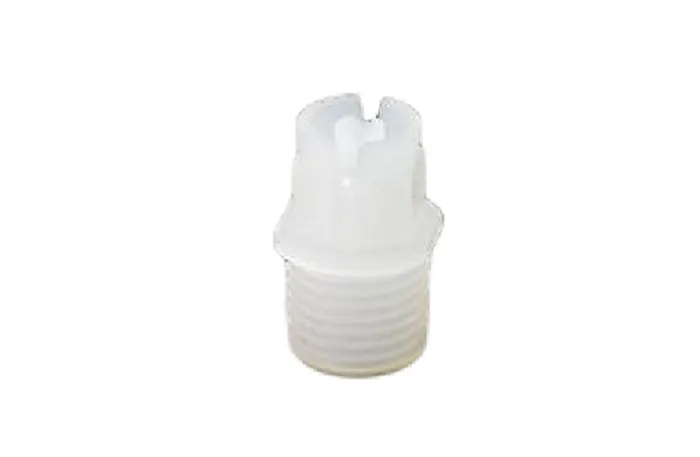
Spray nozzles
Dosing systems
By integrating accurate flow measurement systems, industries can significantly improve performance and reduce operational risks.
Use high-precision flow meters
Monitor system pressure continuously
Maintain stable feed rates
Ensure proper system sealing
These practices help maximize efficiency and extend equipment lifespan.
To reduce the boiling point of liquids, preventing heat damage and improving efficiency.
Chemical, pharmaceutical, petroleum, and food processing industries.
It allows separation at lower temperatures, preserving product quality.
Accurate flow control ensures stable operation, better separation, and higher efficiency.

 English


.webp "Kingspray-F10 Rotameter, 1/2 Inch Pipe Size, 0.1-1.0 LPM to 2.0-20 LPM-F10")